

A room can feel expensive and still fail you the moment the sun hits the sofa, the streetlights glow through the glass, or winter air sneaks around the frame. That is why smart design starts at the window, not after the furniture is already in place. The right window treatment tips help American homeowners solve comfort problems that paint colors and throw pillows cannot touch. Heat, glare, privacy, sleep, and energy use all meet at the glass. When you treat that area with intent, the whole home feels calmer and easier to live in. For homeowners comparing upgrades, design choices, and local service ideas through trusted home improvement resources like home comfort planning, window choices deserve more attention than they usually get. A good room does not need to look staged. It needs to work on a cold January morning, a bright July afternoon, and a weeknight when you want privacy without closing yourself off from the world.
Choosing Window Treatment Tips That Match Real Life
Comfort begins when you stop choosing window coverings as decoration alone. A house in Phoenix does not fight the same battle as a brownstone in Boston, and a bedroom facing a quiet backyard has different needs than a living room facing a busy street. The best choice comes from how the room behaves during the day, not from what looked polished in a showroom.
Energy efficient window coverings for changing seasons
Energy efficient window coverings matter most when the weather makes your home work harder than it should. In much of the USA, windows become weak spots during both summer and winter. Sunlight can overheat a room by noon, while cold glass can make a nearby chair feel unpleasant after dinner.
Cellular shades are a strong example because their honeycomb structure traps air near the window. That trapped layer helps reduce heat movement, which can make a room feel more stable without asking the HVAC system to carry the whole load. Heavy drapes can also help, especially in older homes with drafty windows.
The surprise is that comfort does not always mean blocking everything. A south-facing room in Michigan may benefit from sunlight in winter, while that same exposure in Texas may need tighter shade control. Energy efficient window coverings work best when they respond to your climate instead of following a one-size design rule.
Living room curtains that balance openness and privacy
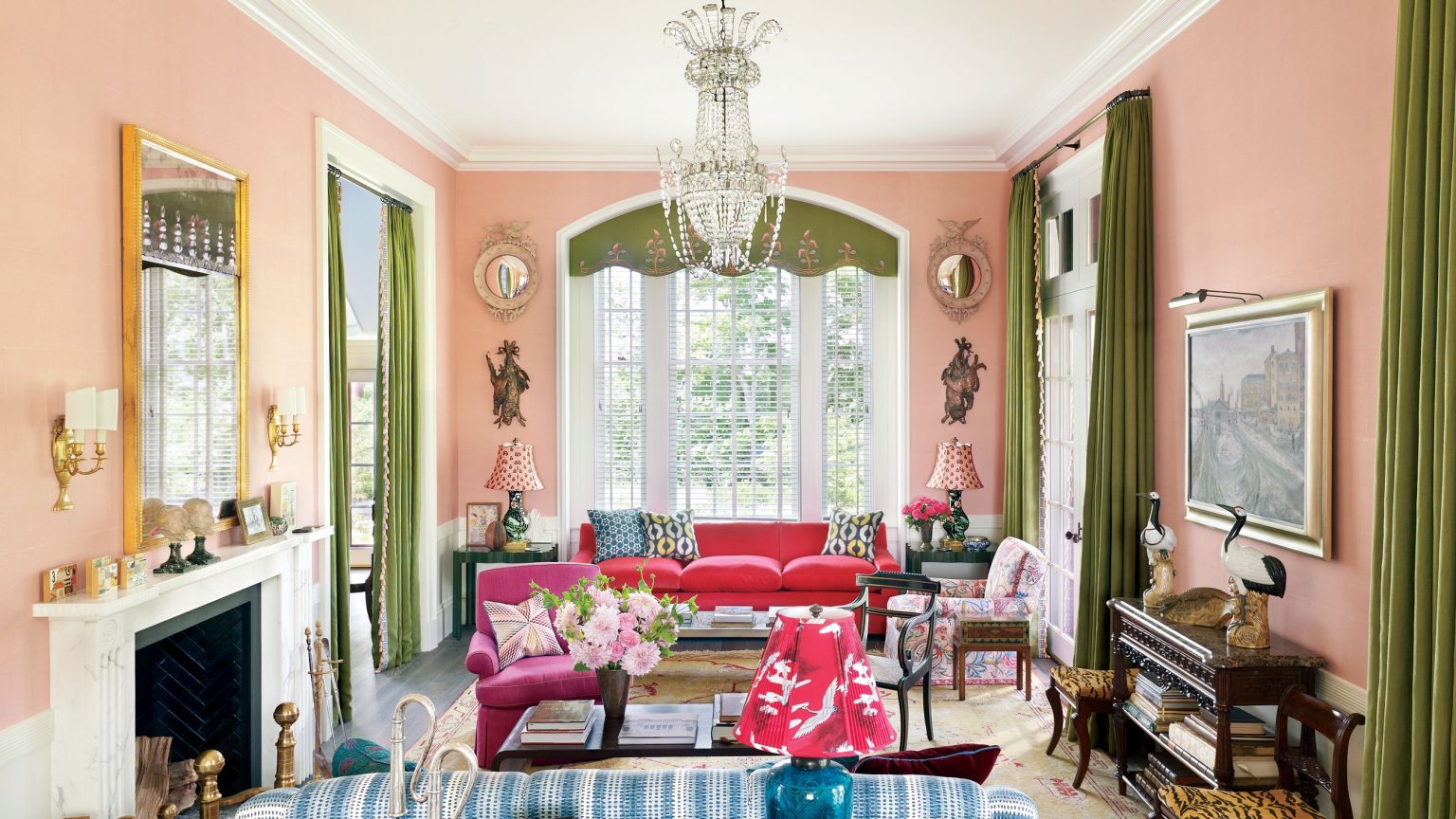
Living room curtains carry a social job as much as a design job. They frame the public room of the house, soften hard surfaces, and protect your family from feeling watched after dark. Poor choices here make the room feel either exposed or shut down.
Layering often solves that tension. Sheer panels can filter daylight while heavier side panels add privacy in the evening. This gives you control without forcing the room into a permanent daytime-or-nighttime mood. In a suburban American home where front windows face the sidewalk, that flexibility pays off every single day.
Scale matters more than people admit. Curtains hung too low or too narrow make windows look smaller and ceilings feel shorter. Living room curtains look more natural when the rod sits above the window frame and extends beyond it, giving fabric room to stack without blocking the glass.
Controlling Light Without Making Rooms Feel Closed
Once privacy and insulation are handled, light becomes the next comfort test. Too much glare makes a room hard to use. Too little daylight makes it dull. The goal is not darkness; the goal is control that lets each room shift across the day without constant fuss.
Light control blinds for glare-heavy spaces
Light control blinds are practical in rooms where the sun causes problems at specific hours. A home office with a screen near the window, a kitchen with bright morning glare, or a family room facing west can become hard to use without adjustable slats. The advantage is precision.
Wood, faux wood, and aluminum blinds each bring a different feel. Wood adds warmth but may not suit humid bathrooms. Faux wood handles moisture better and often costs less. Aluminum looks cleaner in utility spaces, though it can feel cold in softer rooms.
The mistake is treating blinds as a cheap fallback. Good light control blinds can protect floors, reduce eye strain, and keep a room usable when direct sun would otherwise take over. In that sense, they are not a compromise. They are a tool.
Bedroom privacy shades for better rest
Bedroom privacy shades should do more than hide the room from outside view. They should help the body understand when the day is over. Streetlights, passing headlights, and early summer sunrise can all disturb sleep even when you think you have gotten used to them.
Blackout shades work well for people who sleep during the day, live near traffic, or have children with early bedtimes. Room-darkening shades are gentler and may suit people who dislike waking in total darkness. The right choice depends on how sensitive you are to light and how much morning brightness you want.
Here is the part many homeowners miss: bedroom comfort starts before bedtime. If the room heats up all afternoon, it may still feel stuffy at night. Bedroom privacy shades that also reduce solar gain can make sleep feel easier without needing to drop the thermostat lower.
Matching Materials to Each Room’s Demands
Materials decide whether a treatment lasts, cleans well, and belongs in the room. Fabric, wood, vinyl, bamboo, and woven textures all age differently. A window choice that works in a formal dining room may become a nuisance in a damp bathroom or a busy kitchen.
Moisture-friendly choices for kitchens and bathrooms
Kitchens and bathrooms punish the wrong materials fast. Steam, splashes, cooking residue, and humidity can warp wood, stain delicate fabric, or leave treatments looking tired before their time. Comfort here means choosing something that does not demand constant babying.
Faux wood blinds, vinyl shutters, and certain roller shades are sensible because they handle moisture better than soft fabric panels. They also clean faster, which matters near sinks, tubs, and stovetops. A beautiful fabric shade above a kitchen sink may look charming on installation day and irritating six months later.
A bathroom also needs privacy without killing daylight. Top-down bottom-up shades are useful because they let light enter from above while covering the lower part of the window. That small shift can make a bathroom feel open and private at once.
Natural textures that warm up plain rooms
Natural materials can rescue rooms that feel flat. Bamboo shades, woven wood shades, linen panels, and textured Roman shades add depth without shouting for attention. They work especially well in newer American homes where walls, trim, and floors can feel clean but plain.
Texture also softens rooms that have too many hard surfaces. A dining area with wood floors, painted walls, and metal lighting can feel noisy and bare until the windows get some softness. The treatment does not need a bold pattern. It needs a surface that catches light in a richer way.
The counterintuitive point is that neutral does not mean empty. A woven shade in a warm tone can change the whole mood of a room while still staying quiet. That kind of restraint often ages better than a trend-heavy print.
Installing for Comfort, Not Only Appearance
Even the best product can fail when installed poorly. Gaps, awkward heights, short rods, weak brackets, and treatments that do not clear the glass all chip away at comfort. Installation is where design either becomes useful or turns into a daily annoyance.
Measuring windows before buying anything
Measuring looks simple until one window is slightly out of square and the shade arrives too tight. Older American homes are famous for this. Even newer builds can have small differences from one window to the next, so copying one measurement across a room can create problems.
Inside-mount treatments look clean because they sit within the frame, but they need enough depth and accurate sizing. Outside-mount treatments can hide uneven trim, block more light around the edges, and make a window appear larger. Neither option is always better. The room decides.
Measure width and height in several places, then use the smallest width for inside mounts and the full desired coverage for outside mounts. That extra care saves money, returns, and the quiet frustration of living with a shade that almost fits.
Layering treatments for daily flexibility
Layering gives you more control than any single product can provide. A roller shade paired with side panels can handle glare during the day and softness at night. Blinds under curtains can offer privacy while still letting the room feel finished.
This approach works well in living rooms, bedrooms, and nurseries because those rooms change roles. A living room may need bright daylight in the morning, screen-friendly shade in the afternoon, and privacy after sunset. One layer rarely handles all three with grace.
The strongest window treatment tips are usually less glamorous than people expect: measure carefully, respect the room’s light, and choose layers based on how you live. That is where comfort becomes dependable instead of decorative.
Conclusion
Windows shape the mood of a home more than most people realize. They decide how light enters, how heat moves, how private a room feels, and how easily you settle into daily routines. A smart choice does not chase the fanciest fabric or the trendiest shade. It solves the real problem in front of you.
The best window treatment tips start with observation. Watch the room for a full day. Notice where glare lands, when privacy disappears, where heat builds, and which windows make the space feel less comfortable than it should. From there, choose materials, layers, and mounts that answer those exact problems.
Comfort is not an accident. It is built through small decisions that respect how you live. Start with the one room that bothers you most, fix the window first, and let the rest of the home follow that standard.
Frequently Asked Questions
What are the best window coverings for home comfort?
Cellular shades, lined curtains, shutters, and layered treatments often work best because they help manage heat, glare, privacy, and light. The right option depends on the room’s direction, climate, and daily use rather than style alone.
How do energy efficient window coverings help lower bills?
They reduce heat movement through the glass, which helps rooms stay closer to the temperature you want. This can ease pressure on heating and cooling systems, especially during hot summers and cold winters in many parts of the USA.
Are living room curtains better than blinds?
Living room curtains are better for softness, style, and warmth, while blinds offer tighter light control. Many homes benefit from using both together, especially when the room faces a street, receives strong sunlight, or serves several purposes.
What bedroom privacy shades are best for sleep?
Blackout shades suit people who need darkness, while room-darkening shades soften light without making the room feel sealed off. For street-facing bedrooms, choose shades with minimal side gaps and pair them with curtains for stronger privacy.
Do light control blinds make a room too dark?
They do not have to. Adjustable slats let you redirect sunlight instead of blocking it completely. This makes them useful in offices, kitchens, and family rooms where glare changes during the day but natural light still matters.
What window treatments work best in humid bathrooms?
Faux wood blinds, vinyl shutters, and moisture-resistant roller shades work well because they handle steam better than delicate fabric or real wood. Top-down bottom-up designs are also smart because they protect privacy while keeping daylight.
Should window treatments be mounted inside or outside the frame?
Inside mounts look clean and built-in, but they need enough frame depth and accurate measurements. Outside mounts cover more glass, hide uneven trim, and block more edge light, making them useful for bedrooms and older homes.
How often should homeowners replace window treatments?
Replace them when they stop working well, not only when they look dated. Warping, fading, broken cords, poor privacy, and weak light control are signs that the treatment no longer supports the comfort of the room.