
The wrong snack can ruin an afternoon faster than a bad meeting, a long commute, or a screen full of unread messages. Plenty of Americans are not eating because they are hungry in a clean, simple way; they are eating because their energy crashed, their focus slipped, and the vending machine started looking persuasive.
That is where Healthy Snack Ideas matter most: not as cute food inspiration, but as a daily tool for staying steady when work, school, errands, and family demands keep pulling at you. A snack should not leave you foggier than before. It should help you think, move, and finish the day without feeling like you borrowed energy from tomorrow. Even brands sharing wellness content through a trusted publishing network can benefit from treating snacks as practical fuel rather than trendy filler.
Good snacking is not about perfection. It is about choosing food that can stand up to real American routines: office lunches eaten too fast, long drives between appointments, kids needing rides, late grocery runs, and evenings when dinner slips later than planned. Better daily energy comes from snacks that do more than taste good for five minutes. They give your body something useful to work with.
Snacks That Keep Your Energy Steady
A good snack has a job. It should slow hunger, support focus, and stop the shaky feeling that sends people hunting for sugar around 3 p.m. The biggest mistake is treating snacks like tiny desserts with health branding. A granola bar with more sugar than substance may look harmless, but it often acts like a short fuse. You feel awake, then you feel flat.
Steady energy comes from pairing foods that digest at different speeds. Protein, fiber, and healthy fat do the heavy lifting here. Carbs still belong, especially when you are active or stretched thin, but they work better when they are not standing alone. An apple by itself is fine. An apple with peanut butter has staying power.
Balanced snacks that prevent the afternoon crash
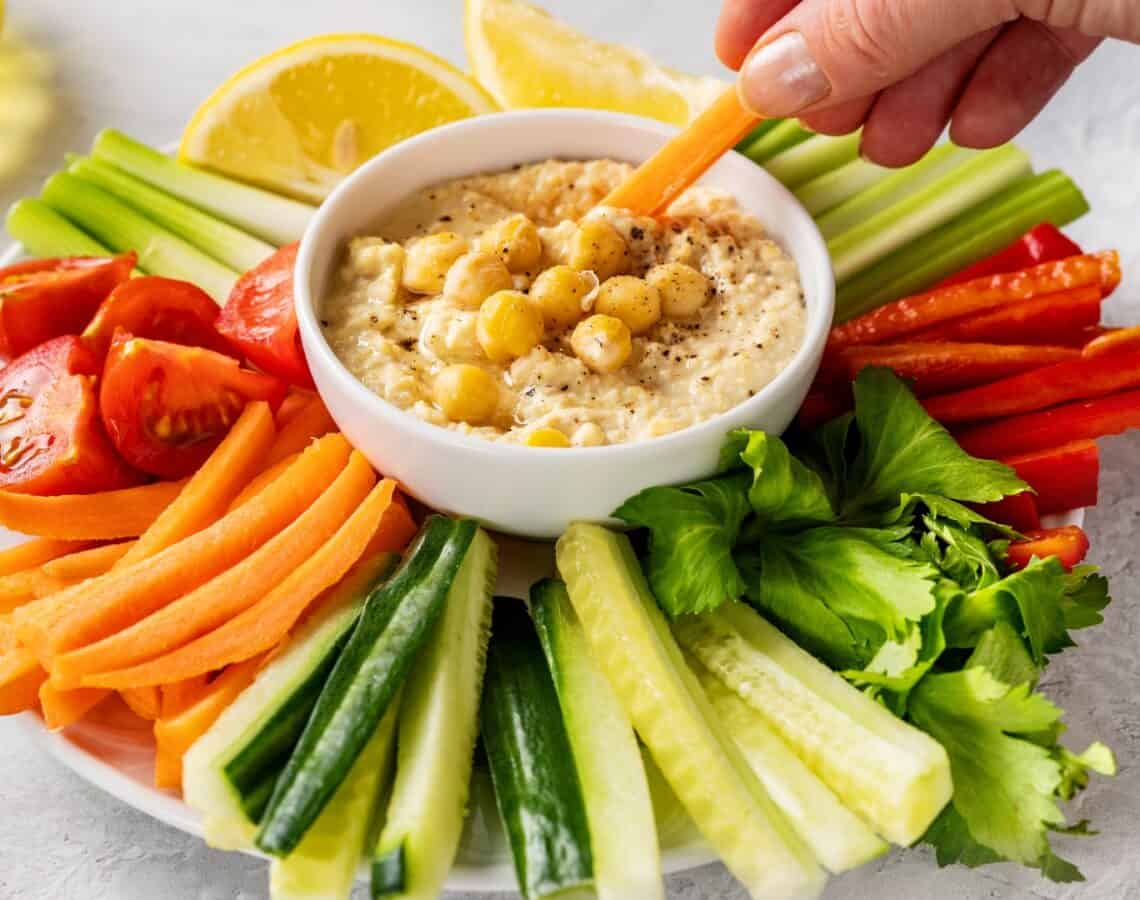
Balanced snacks are not fancy. They are small combinations that make biological sense. Greek yogurt with berries, whole-grain toast with avocado, cottage cheese with pineapple, or hummus with carrots all work because they mix quick energy with slower-burning support. That mix matters when your lunch was light or your schedule runs long.
The counterintuitive part is that a larger snack is not always the better snack. A heavy snack can make you sluggish, especially if you eat it while sitting at a desk. The better move is a snack with enough structure to satisfy you without becoming a second lunch. You want lift, not a food coma.
One practical test helps: ask whether the snack contains at least two useful parts. Crackers alone may not last. Crackers with cheese or tuna have more staying power. A banana alone may fade fast. A banana with walnuts holds better. Small changes can shift the whole energy curve.
Nutritious snacks for work, school, and commutes
Nutritious snacks need to survive real life. A snack that only works in a perfect kitchen is not much help when you are stuck in traffic outside Dallas, sitting between meetings in Chicago, or waiting through your kid’s practice in suburban Ohio. Portability matters more than food influencers admit.
Shelf-stable options can save the day when fresh food is not available. Beef or turkey sticks, roasted chickpeas, trail mix with nuts and dried fruit, tuna packets, whole-grain crackers, and unsweetened nut butter packs all travel well. The trick is watching portions before hunger takes over. A family-size bag of trail mix is not a snack; it is a dare.
Office snacks deserve special attention because work hunger often blends with stress. Keep something in a drawer that you would still choose on a calm day. That one rule cuts through a lot of nonsense. Food chosen in advance usually beats food chosen while tired, irritated, and staring at a breakroom table full of leftover donuts.
Building Snacks Around Protein and Fiber
Energy feels different when protein and fiber are present. Sugar wakes you up loudly, then leaves quietly. Protein and fiber work with less drama, but they are better at keeping you steady. That matters for Americans juggling long workdays, school schedules, gym sessions, and late dinners that keep sliding past the ideal hour.
Protein helps with fullness. Fiber slows digestion and supports gut health. Together, they make snacks feel more like support and less like impulse. This is where the smartest snack choices start to look less like diet food and more like common sense.
Easy snack options with protein that actually satisfy
Easy snack options should not require cooking, measuring, or a sink full of dishes. Hard-boiled eggs, string cheese, Greek yogurt cups, edamame, turkey roll-ups, and cottage cheese bowls all fit into normal routines. They give you something your body can use without turning snack time into a project.
Protein also helps when cravings feel louder than hunger. Many people reach for chips because they want salt and crunch, not because chips will solve the energy problem. Pairing a smaller salty item with protein can meet the craving while giving the snack a backbone. Think whole-grain pretzels with cheese, or popcorn with a boiled egg.
A useful snack does not need to look impressive. Some of the best choices look almost boring. That is the point. Food that keeps you steady often lacks the drama of glossy packaging, but it wins where it counts: you stop thinking about food every twenty minutes.
Fiber-rich choices that do more than fill space
Fiber has a quiet kind of power. It adds volume, supports digestion, and helps snacks stay with you longer. Fruit, vegetables, beans, oats, seeds, and whole grains all bring fiber to the table without making snack time complicated. A small bowl of oatmeal with chia seeds can carry you further than a sweet pastry twice its size.
Fiber also changes how you experience sweetness. Berries, oranges, pears, and apples offer sugar wrapped in water and fiber, which makes them gentler than candy or sweet drinks. You still get pleasure. You also get a slower release, which is the whole point when better daily energy is the goal.
One overlooked move is adding vegetables to snacks without pretending they are dessert. Cucumbers with tzatziki, bell peppers with guacamole, celery with peanut butter, and snap peas with hummus all work because they accept vegetables for what they are: crisp, refreshing, and useful. No one needs a carrot to cosplay as a brownie.
Matching Snacks to Your Day Instead of Your Mood
Mood-based snacking is where many good intentions fall apart. Stress asks for crunch. Boredom asks for novelty. Fatigue asks for sugar. None of those signals are moral failures, but they are not always reliable guides. Your day gives better clues than your mood does.
Snack timing should match what you are asking your body to do. A desk day, a workout day, a road-trip day, and a late-shift day do not need the same food. Treating them the same is why snacks feel random and results feel uneven.
Snacks before movement, errands, and workouts
Movement changes the snack equation. Before a walk, gym session, yard work, or long stretch of errands, your body often does better with carbs plus a little protein. A banana with yogurt, toast with almond butter, or a small smoothie with milk and fruit can give you usable fuel without weighing you down.
Too much fat right before movement can sit heavy. That does not make fat bad; it means timing matters. Avocado, nuts, and cheese shine at other moments, but right before exercise they may slow you down if the portion is large. Snack choices should respect the clock.
American schedules often turn errands into endurance events. Grocery shopping, pharmacy stops, school pickup, and a return line at a big-box store can eat half a day. Keeping balanced snacks in your bag or car keeps you from making every food decision under pressure.
Snacks for late afternoons and long evenings
Late afternoon hunger has its own personality. It often arrives when lunch has worn off and dinner is still too far away. This is the danger zone where people eat something sweet, feel briefly rescued, and then arrive at dinner hungry again. That cycle is common, but it is not inevitable.
A stronger late-day snack should contain protein and fiber, with enough flavor to feel worth eating. Try hummus with whole-grain pita, yogurt with oats, apple slices with cheddar, or a small bean dip with vegetables. These snacks do not shout, but they hold the line.
Evening snacks need a different kind of honesty. Sometimes you are hungry. Sometimes you are tired and looking for a reward. There is nothing wrong with pleasure, but pretending every craving is fuel can muddy the habit. When you want comfort, choose it on purpose and keep the portion clear. Food feels better when you stop negotiating with it.
Making Better Choices in Real American Food Environments
The hardest snack choices rarely happen in a calm kitchen. They happen at gas stations, airports, office breakrooms, school events, sports sidelines, and stores designed to make impulse buying easy. Willpower gets too much credit in these moments. Environment does more of the work.
The smartest approach is not to avoid every imperfect food space. That is unrealistic. The better approach is to build a short list of reliable choices wherever you spend time. Once you know your defaults, you waste less mental energy deciding.
Gas station and grocery shortcuts that still work
Gas stations have improved, but they still reward rushed decisions. Look for nuts, jerky, cheese sticks, fruit cups, yogurt, hard-boiled eggs, hummus packs, and unsweetened drinks when available. A snack does not need to be perfect to be better than a candy bar and soda combo.
Grocery stores offer more control, but they also create their own trap: too many choices. A simple rotation helps. Pick one protein, one produce item, and one satisfying add-on for the week. Turkey slices, grapes, and whole-grain crackers. Yogurt, berries, and granola. Hummus, peppers, and pita. Repeat without apology.
Easy snack options become easier when you stop chasing variety every day. Novelty is nice, but routine wins on busy weeks. Your future self will thank you for not turning Wednesday afternoon into a nutrition debate.
Nutritious snacks for families without food battles
Family snacking gets messy because everyone wants something different. Kids want fun, adults want convenience, and someone usually objects to anything green. The solution is not turning snack time into a lecture. The solution is building plates that offer choice within boundaries.
A snack board can work well at home: sliced fruit, cheese cubes, whole-grain crackers, boiled eggs, vegetables, dips, nuts for older kids, or yogurt bowls with toppings. Everyone gets some control, but the table still points in a better direction. That balance lowers resistance.
Parents also need to stop treating their own snacks as afterthoughts. Eating the broken crackers left on a child’s plate is not a plan. Adults need fuel too, especially when evenings involve homework, dinner, cleanup, and one more task that somehow appears at 9 p.m. Healthy Snack Ideas work best when the whole household sees them as normal food, not punishment food.
Conclusion
Snacking should make your day easier, not noisier. The best choices do not demand a new personality, a perfect pantry, or a total rejection of foods you enjoy. They ask for a little more attention before the crash happens. That is a fair trade.
Healthy Snack Ideas are strongest when they fit the life you already have. Keep protein close, add fiber where you can, match the snack to the moment, and build defaults for the places where you usually make rushed choices. Over time, those small defaults become less about discipline and more about relief.
Start with one snack upgrade this week. Put it where hunger usually finds you first: your desk, your bag, your car, or your fridge shelf. Better food choices become much easier when the better choice is already waiting.
Frequently Asked Questions
What are the best healthy snacks for better daily energy?
Snacks with protein, fiber, and healthy fat tend to work best. Greek yogurt with berries, hummus with vegetables, apple slices with peanut butter, and cheese with whole-grain crackers all help energy last longer than sugary snacks.
What are easy snack options for busy workdays?
Hard-boiled eggs, nut butter packs, roasted chickpeas, cottage cheese cups, trail mix, and turkey roll-ups are practical choices. They need little prep, travel well, and can help you avoid vending-machine decisions during a packed workday.
How do balanced snacks help prevent energy crashes?
They slow digestion and give your body steadier fuel. A snack built from carbs alone may fade fast, while protein and fiber help hunger stay quiet longer and support better focus between meals.
What nutritious snacks are good for kids after school?
Yogurt with fruit, cheese and crackers, hummus with pita, smoothies, boiled eggs, and apple slices with peanut butter can work well. The best after-school snacks feel familiar, taste good, and keep kids satisfied until dinner.
What snacks should I keep in my car or bag?
Choose shelf-stable foods that handle heat and movement better than fresh items. Nuts, jerky, roasted edamame, whole-grain crackers, dried fruit, and tuna packets are useful backups when errands, traffic, or travel stretch longer than planned.
Are sweet snacks bad for daily energy?
Sweet snacks are not automatically bad, but they work better when paired with protein or fiber. Fruit with yogurt or dates with nuts gives sweetness more staying power than candy, pastries, or sweet drinks eaten alone.
What should I eat before a workout for energy?
A light mix of carbs and protein works well for many people. Banana with yogurt, toast with nut butter, or a small fruit smoothie can provide fuel without making you feel heavy during movement.
How can I stop snacking out of boredom?
Build a pause before eating and check what you need first: food, rest, water, movement, or a break from screens. Keeping planned snacks nearby also helps because you are less likely to graze randomly when a better choice is ready.