

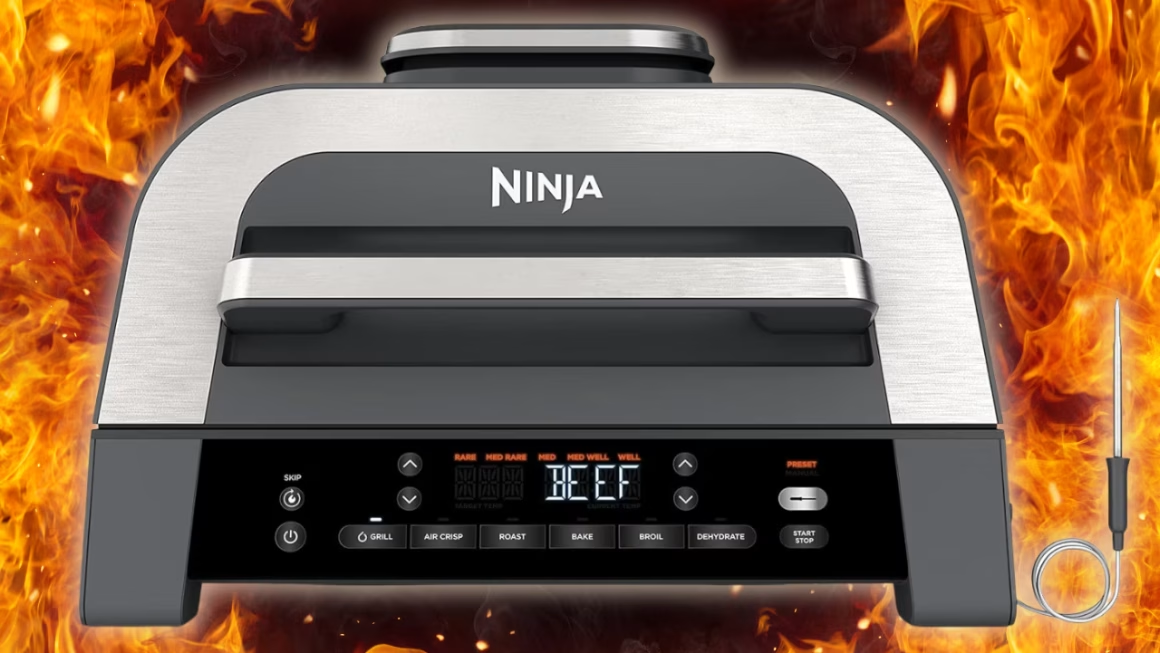
A good kitchen deal does not start with the discount. It starts with the meals you keep failing to cook at home because the weather, smoke, cleanup, or weeknight timing gets in the way. That is why the Foodi Smart XL is getting attention from U.S. shoppers who want grilled food without rolling a propane tank across the patio or crowding the oven with three pans. The draw is simple: a 6 in 1 grill that can sear burgers, air crisp fries, roast chicken pieces, bake small sides, broil quick meals, and dehydrate snacks in one spot. Ninja lists six cooking functions and a built-in thermometer system, while major retailers show the DG551 model with a 1760-watt electric design and a 108-square-inch cooking surface. If the sale price has pulled you in, the smarter question is not “Is it cheap?” It is “Will it earn the counter space?” For readers tracking practical product deal coverage, this is the kind of appliance discount worth judging by use, not hype.
Why the Foodi Smart XL Price Drop Matters for Busy U.S. Kitchens
A low price on a big small appliance can be a trap if the machine solves the wrong problem. This one is different because the problem is common: Americans like grilled food, but many homes do not make grilling easy. Apartments ban open flames. Suburban families still skip the grill on cold nights. Condo balconies may be too small, windy, or restricted. The tension is not desire. It is friction. A Ninja indoor grill works because it moves that grilling habit into the part of the home where dinner already happens.
The sale is less about savings and more about removing excuses
A discount changes the math because this product lives in the awkward space between appliance and habit. At full price, many shoppers compare it with an air fryer they already own. At a low price, it becomes easier to test a new dinner routine without feeling foolish.
That matters more than it sounds. A family in Ohio can grill turkey burgers on a February night without shoveling a path to the deck. A renter in Chicago can make salmon with char and still keep the lease safe. A parent in Phoenix can avoid heating the kitchen with a full oven during a hot evening. The sale also changes the mental barrier. When an appliance drops into a range where it competes with a nice dinner out, the question shifts from “Should I own this?” to “How many dinners would make this pay for itself?”
The non-obvious point is that a countertop grill does not need to replace an outdoor grill to be worth buying. It only needs to win on the nights when the outdoor grill would sit unused. Those nights add up. The careful shopper should still check the final checkout price, shipping, coupons, return window, and color or model match. A loud deal tag means little if the listing quietly swaps accessories or makes returns painful.
Six cooking modes help only when you cook the same way twice
The promise of a 6 in 1 grill can sound like a sticker slapped on a box. Grill, Air Crisp, Roast, Bake, Broil, and Dehydrate are useful, but only if you build repeat meals around them. Macy’s lists those six functions along with 500°F cyclonic air and a 500°F grate, which explains why the product can brown food rather than warm it softly.
Here is the practical angle: do not buy it because it can do six things. Buy it if two or three of those things match your weekly meals. Steak and fries. Chicken thighs and roasted broccoli. Turkey burgers and sweet potato wedges. Once the pattern is clear, the appliance stops feeling like a gadget and starts acting like a weeknight station. Write down five meals before you buy. If the list comes fast, that is a good sign. If it feels like homework, the deal may be doing too much of the selling.
There is also a quiet drawback. More modes mean more parts to wash, more settings to learn, and more ways to overthink dinner. The best owners will be boring at first. They will repeat two meals until timing, oil choice, and cleanup feel automatic. After that, the extra modes become useful instead of noisy.
What You Can Cook Well When Outdoor Grilling Is Not an Option
Once price gets your attention, performance has to carry the rest. The machine’s strength is not magic. It is contained heat. Bon Appétit described the design as a vented grill with an electric coil, fan, grill grate, and mesh filter, with heat up to 500°F in grill mode. That setup gives you the best reason to care: controlled browning inside a kitchen, without treating smoke like a normal part of dinner.
Burgers, steaks, and chicken need different expectations
Burgers may be the easiest win because fat, salt, and high heat are forgiving. A few patties on the grate can brown fast, and the hood keeps heat around the food instead of pressing it flat like an old contact grill. Best Buy lists the cooking area at 108 square inches, so this is not a full backyard spread, but it can handle a weeknight batch for a small family. A four-pack of patties, sliced onions, and buns can become a dinner that feels cooked, not assembled.
Steak is where buyers get excited, and for fair reason. Popular Mechanics praised the appliance for strong searing, a hooded design that holds heat, and results that felt closer to an outdoor setup than many electric grills. Still, a thick ribeye and a thin sirloin will not behave the same way. Dry the meat, use a high-smoke-point oil, and rest it after cooking. The built-in probe can guide doneness, but carryover heat still matters. A steak that looks perfect at the beep can keep cooking while it sits.
Chicken is the test that exposes impatience. The built-in probe can help, but poultry needs food-safety discipline, not vibes. FoodSafety.gov says poultry should reach 165°F, while steaks and roasts from beef, pork, veal, lamb, and similar meats should reach 145°F with a three-minute rest. Ground meat needs 160°F. Safe minimum internal temperature guidance is worth keeping near any grill, smart or not. The point is not fear. It is confidence. When you know the number, you can stop cutting every chicken breast in half to see if dinner is safe.
Vegetables and sides may be the hidden reason to buy it
Most shoppers picture meat first. That is natural, but vegetables may decide whether the unit stays on the counter. Zucchini planks, asparagus, halved baby potatoes, peppers, and corn ribs can pick up browning without babysitting a skillet. The crisper basket also gives frozen fries and chicken tenders a second life when the oven feels slow. A few dry vegetables with oil and salt will usually beat a wet marinade that steams before it browns.
The counterintuitive lesson is that the side dish can make the whole appliance feel useful. If you only cook steak once a month, the sale may still not make sense. If you air crisp weeknight sides twice a week and grill proteins on weekends, the value grows fast. That is how a sale item becomes part of the kitchen rhythm. It stops waiting for special meals.
This is where a Ninja indoor grill differs from a single-purpose searing tool. It can turn one grocery run into several meals. Monday might be chicken cutlets. Wednesday might be salmon and green beans. Saturday might be burgers for friends who showed up after a youth soccer game. The meal changes, but the cleaning pattern stays familiar. That repeated rhythm is what most product pages fail to explain.
The Parts That Make the Deal Feel Better or Worse After Week One
The first day with any appliance is flattering. Everything is new, the box copy feels convincing, and the first meal gets extra attention. Week two is more honest. That is when you find out if the grease guard is annoying, whether the basket dries well, and how much counter depth the lid needs. A sale price can soften those flaws, but it cannot erase them.
Counter space is the real price after the checkout
The DG551 is called XL for a reason. That word is useful when you are cooking six burgers, but less cute when the appliance is sitting under a cabinet. Some owners will keep it out. Others will store it in a pantry and pull it out for planned meals. Both choices work, but neither should surprise you. A machine that has to be lifted from a high shelf every time may become a weekend tool, not a weekday helper.
Before buying, measure the landing zone. You need room for the unit, room for the lid to open, and room to place a hot grate or basket safely after cooking. That last detail gets ignored online because it does not fit into a tidy spec sheet. In a small kitchen, the extra landing spot matters. So does outlet placement. With a 1760-watt appliance, you do not want a cord stretched across a sink area or a crowded power strip.
A small apartment buyer should think like a line cook. Where will the raw plate sit? Where will the cooked plate sit? Where does the hot basket go? If every answer is “on top of the sink,” the appliance may feel larger than it looks in photos. A cheap folding prep board or cleared baking sheet beside the unit can make the whole setup calmer.
Cleanup decides whether you keep using it
Bon Appétit found the parts easier to clean because key components are dishwasher-safe, but also pointed out that the grease filter and lower pan need attention, especially between different foods. That matches common sense. High heat plus fat creates flavor, then leaves residue. There is no free lunch here.
The smoke-control system also depends on care. If grease builds up, the next cook can smell like the last one. If you use butter or low-smoke-point oil on high heat, you may create the smoke you were trying to avoid. Canola, avocado, grapeseed, or vegetable oil will usually behave better for searing. Let the parts cool, soak the stubborn bits, and clean the upper guard before it becomes a chore with memory.
Here is the part deal hunters miss: the best discount cannot make a dirty appliance pleasant. If you hate washing inserts, this machine will test you. If you are fine dropping parts into the dishwasher after dinner, the deal feels stronger because the work is predictable. Predictable work is still work, but it is easier to live with.
Who Should Buy It Now and Who Should Pass
A good sale does not turn every shopper into the right buyer. The strongest fit is a person who wants grilled texture, owns limited outdoor space, cooks protein often, and likes repeatable settings. The weakest fit is someone who already owns a strong air fryer, a toaster oven they love, and a backyard grill they use year-round. A countertop grill earns its place by solving a missing-meal problem, not by adding another shiny appliance to a crowded cabinet.
It fits renters, cold-weather cooks, and families with tight evenings
Renters may be the clearest audience because many U.S. leases are strict about open flames on balconies. This appliance gives them a safer path to grill-style meals indoors, though they still need ventilation and common sense. It also suits older homes where outdoor outlets are awkward, patios are far from the kitchen, or winter weather kills weeknight grilling. A small household with no yard may get more value from it than a larger household with a big deck and a gas grill ready to go.
Families with tight evenings may like the built-in thermometer more than they expect. Ninja says the smart cooking system offers four protein settings and nine doneness levels, which can reduce guessing when someone is cooking while answering homework questions or clearing the table. It does not replace judgment, but it can remove one layer of stress. That matters at 6:20 p.m., when the rice is done and the chicken still looks pale.
For deal-focused readers comparing kitchen appliance sale picks, the best reason to choose this over another basket air fryer is the grill grate and hood. Air fryers are strong at crisping. This unit is better aimed at browning meat and vegetables with a grill-like surface. If your meals lean that way, the sale has a clean purpose.
Skip it if your current tools already cover the same meals
The honest case against it is simple: many kitchens already own most of this capability. A cast-iron skillet can sear. An oven can roast. An air fryer can crisp. A broiler can brown. If you use those tools well and do not mind the process, another machine may create clutter instead of relief. The better buy might be a meat thermometer, a heavy sheet pan, or an upgrade to the pan you touch every day.
Good Housekeeping’s testing advice for indoor grills focuses on heat range, cleanability, size, and how well the design handles real foods like burgers and bread for heat distribution. That is a useful buying lens because it pushes you past brand excitement. You are not buying a logo. You are buying heat, space, cleaning, and repeat meals. Those are boring tests, but they save money.
The best pass decision is not negative. It is mature. If you cook one steak every three months, save the money or put it toward better knives, sheet pans, or a stronger air fryer. If you already know the meals this machine will take over next week, the discount has a much better chance of turning into daily value. A sale should confirm a plan, not invent one.
Conclusion
The smartest way to read this sale is through your own dinner habits. Do you miss grilled food because outdoor cooking is inconvenient, or do you only like the idea of owning another appliance? That one question will tell you more than a product page ever could. The Foodi Smart XL deal makes the most sense for homes where grilling is desired but blocked by weather, leases, smoke concerns, or limited time. It is not a backyard grill replacement for every cook, and it should not pretend to be. Its value lives in the ordinary nights: burgers after work, chicken for meal prep, vegetables with color, fries that do not need a full oven. The right purchase should make dinner easier by next week, not in some imagined future kitchen. Measure your space, accept the cleanup, and plan the first five meals before buying. If those meals sound useful, grab the low price while it fits your budget. If not, let the discount pass with no regret.
Frequently Asked Questions
Is the Ninja 6 in 1 grill worth buying on sale?
Yes, if you will use the grill and air crisp functions often. It works best for people who want grilled proteins, quick sides, and indoor cooking flexibility. It is less useful if you already own appliances that handle the same meals well.
How much counter space does this Ninja indoor grill need?
It needs enough room for the unit, lid clearance, and a safe landing spot for hot parts. Measure under-cabinet height before buying. Small kitchens can still make it work, but storage and handling matter more than the product photos suggest.
Can it replace an outdoor grill for apartment living?
It can replace many weeknight grilling tasks, especially burgers, steaks, chicken pieces, fish, and vegetables. It will not copy charcoal flavor or large cookout capacity. For renters who cannot use open flames, it can be a strong indoor option.
Does the built-in thermometer cook meat safely?
The thermometer can help with doneness, but you should still understand safe internal temperatures. Poultry needs 165°F, ground meat needs 160°F, and many whole cuts need 145°F plus rest time. A smart setting is helpful, not a safety shortcut.
What foods work best in this countertop grill?
Burgers, steaks, chicken thighs, salmon, asparagus, peppers, fries, and frozen snacks are strong fits. Foods that need lots of space or slow smoking are weaker matches. Start with simple meals before trying bigger roasts or mixed batches.
Is cleanup hard after cooking greasy foods?
Cleanup is manageable if you wash parts after each cook. Greasy burgers, steaks, and marinated meats leave residue on the grate, pan, and splatter guard. Let parts cool, soak stuck bits, and clean the smoke-control areas so the next meal tastes fresh.
Should I buy it if I already own an air fryer?
Maybe, but only if you want the grill surface and hooded high-heat cooking. A basket air fryer may already handle fries, wings, and vegetables. This appliance makes more sense when searing and grill-style meals are the missing piece.
What should I check before buying at the lowest price?
Check the model number, included accessories, return policy, warranty terms, and available counter space. Also compare the sale against your meal habits. A low price is only good if the appliance solves a problem you face every week.