

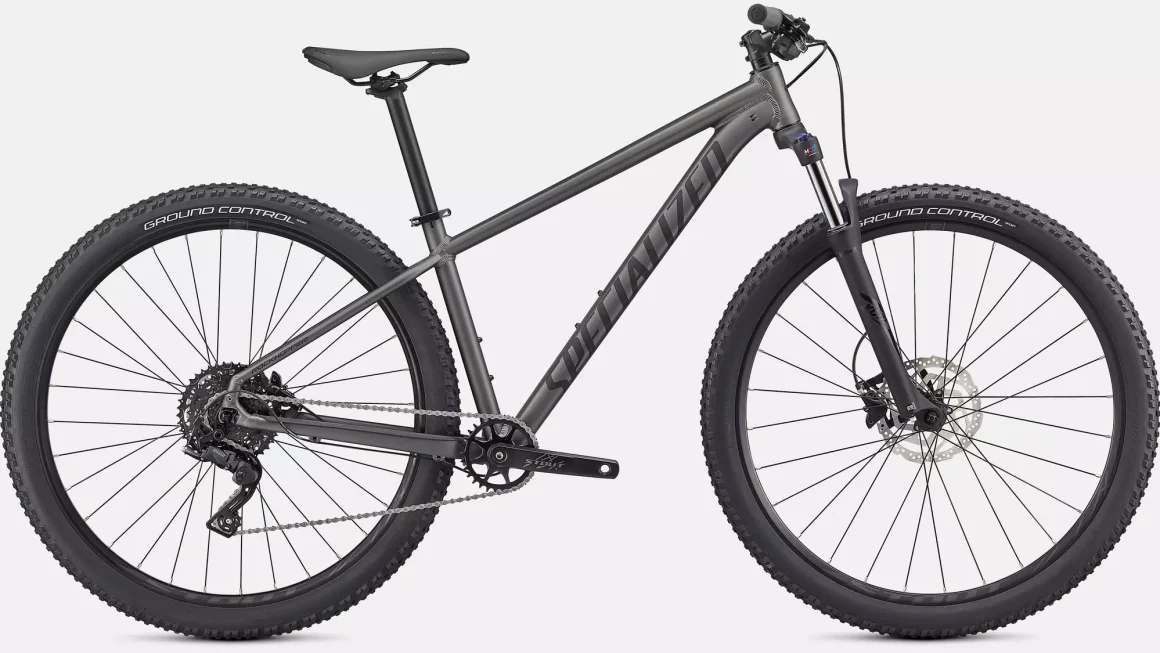
A good hardtail does not need to shout for attention. It needs to show up, shift cleanly, stop with trust, and make a new trail rider feel less nervous in the first ten minutes. The Rockhopper Comp sits in that sweet spot for many U.S. buyers: serious enough for real dirt, not so expensive that it scares off a first upgrade from a department-store bike. Specialized lists the current model at $999.99 and notes a Premium A1 Aluminum frame, RockShox Judy fork, Shimano hydraulic brakes, Specialized alloy wheels, and a wide-range Shimano 1×12 drivetrain.
That mix explains why online stock can feel thin. Riders are not only buying a bike. They are buying a safer bet before summer trips, college commutes, park loops, and weekend trail plans. For shoppers tracking consumer product updates, this is the kind of bike that earns attention because it sits between casual fitness gear and a true trail machine. And when a bike lands there, size and color gaps can show up fast.
Why Rockhopper Comp Demand Feels So Sharp Right Now
The rush around this model is not hard to read. U.S. buyers have become more careful with outdoor spending, but they still want gear that feels usable beyond one season. A $300 bike may work for paved paths. A $3,000 bike can feel like too much for a new rider. The middle is where people pause, compare, and buy.
What makes an entry-level mountain bike sell out first?
A strong entry-level mountain bike sells quickly when it removes doubt. New riders do not want to decode every part on a spec sheet. They want to know three things: Will it fit? Will it stop? Will it survive rough ground without sounding like a toolbox falling down stairs?
This model answers those questions better than many low-cost trail bikes. The frame is aluminum, the brakes are hydraulic, and the drivetrain gives a wide gear range for climbs. That matters in places like Bentonville, Phoenix, Denver, and North Carolina, where a “beginner ride” may still mean punchy climbs, dry corners, roots, and loose gravel.
The non-obvious part is that first-time buyers often care less about speed than confidence. A bike that feels calm under you can sell faster than one with a flashier spec list. People remember the first ride where they did not feel overmatched.
Why a hardtail trail bike still fits American weekends
A hardtail trail bike makes sense for riders who split time between dirt, crushed limestone, neighborhood roads, and greenway paths. Full suspension is fun, but it adds cost, service needs, and weight. For many Americans riding one or two days a week, a simple front-suspension bike is the cleaner choice.
Think of a parent in Austin who rides Brushy Creek on Saturday, then pulls kid duty on a paved path Sunday morning. Or a student near Fort Collins who needs one bike for campus and beginner singletrack. A hardtail trail bike covers both jobs without feeling fragile.
The quiet truth is that many riders do not need more bike. They need a better first bike. That is where this Specialized model gets its pull. It does not promise to turn a beginner into a racer. It gives the rider room to learn without punishing every mistake.
The Spec Choices That Make the Bike Easier to Trust
A sellout story means little if the bike itself is weak. Hype fades on the first climb. Specs do not tell the whole story, but they reveal what the brand thought mattered. Here, the parts list leans toward control, fit, and ease of ownership.
The frame is built around real-world fit
Specialized pairs frame sizes with wheel sizes, so smaller riders are not forced onto wheels that feel too tall and taller riders are not stuck on a bike that feels cramped. The brand says the Rockhopper line uses wheel sizing to match fit and handling across riders, which matters more than many shoppers think.
That choice helps the bike feel less awkward from the start. A 5-foot-2 rider and a 6-foot-1 rider do not need the same trail feel. One needs control and low standover. The other needs room, stability, and a bike that does not feel nervous at speed.
This is also why buying the right size matters more than chasing a small discount. A closeout bike in the wrong size is not a deal. It is a sore back, numb hands, and a bike that stays in the garage by September.
The parts list favors control before flash
The spec that should catch your eye is not the color. It is the combination of an air fork, hydraulic brakes, and wide-range gearing. Orange Cycle’s listing for the 2026 model shows a RockShox Judy Solo Air fork with size-specific travel, tubeless-ready 25mm internal-width rims, Shimano Deore M6100 12-speed shifting, and an 11-51t cassette.
That is a useful trail mix. The fork can be adjusted for rider weight. The brake system gives better control than old cable discs. The Shimano 1×12 drivetrain keeps shifting simpler because there is no front derailleur to fuss with.
The counterintuitive part is that simpler can feel more premium. A new rider often benefits more from one clean shifter and dependable brakes than from a long list of parts that look fancy online. Less thinking. More riding.
Where This Bike Wins, and Where Buyers Should Stay Honest
No bike should be treated like magic. This one has a clear lane, and it is a good lane. It is for riders who want a proper first trail bike, a safer upgrade, or a flexible outdoor machine that can handle more than pavement. It is not a downhill bike. It is not a race build. That honesty helps buyers make a smarter call.
It rewards riders who want to grow slowly
The best owner for this bike is someone who wants to learn trail rhythm. Braking before corners. Picking lines. Standing through rough patches. Shifting before the climb bites. Those skills matter more than having the most expensive frame on the rack.
A rider in suburban Pennsylvania, for example, may spend most rides on mixed surfaces: a rail trail, a dirt connector, then a short rocky loop in a county park. This is exactly where an entry-level mountain bike with good brakes and wide gearing feels right. It is not bored on pavement, but it does not panic when the ground gets broken.
The hidden value is restraint. A bike like this keeps you from buying too much too soon. You can find out what kind of riding you enjoy before spending full-suspension money.
It has limits that serious riders should notice
The main tradeoff is upgrade ceiling. Related Rockhopper-family reviews have praised the ride feel and braking, while also pointing out limits such as quick-release axles, straight head tube design, and the lack of a dropper post on some builds.
That does not make the bike bad. It means you should buy it for what it is, not what you hope to turn it into after a year of upgrades. If your plan already includes harder black-diamond trails, bike-park days, and steep rocky descents, you may outgrow it.
For most buyers, though, that warning is freeing. Keep the bike mostly stock, add good pedals, carry a repair kit, and ride. Not every purchase needs to become a project.
How U.S. Buyers Should Shop Before Stock Disappears
When online inventory looks scattered, the worst move is panic buying. The better move is fast, calm checking. Size first. Local support second. Price third. That order saves money even when the sticker says otherwise.
Check fit, pickup options, and shop support
Specialized’s current U.S. Rockhopper category shows multiple Rockhopper models, with the Comp tier listed at $999.99 among the current lineup. Retailers may show different stock by frame size, wheel size, or color, so one “out of stock” page does not always mean the whole model is gone.
Call a local dealer before giving up. Many shops can see warehouse stock, incoming shipments, or nearby store inventory that may not appear cleanly on a public page. A bike shop can also assemble the bike, set tire pressure, adjust the fork, and fix small setup issues before your first ride.
That local setup can matter more than a small online discount. A poorly adjusted drivetrain or loose cockpit turns a promising bike into a frustrating one. A good mechanic gives you a cleaner start.
Budget for the gear that protects the ride
The bike is not the whole purchase. You need a helmet that fits, a floor pump, a spare tube or plug kit, a bottle cage, and pedals if the stock setup does not fit your riding. Gloves help too, mostly because hands hit the ground first when beginners tip over.
Helmet safety is not a place to gamble. The U.S. Consumer Product Safety Commission says bicycle helmet rules set performance requirements meant to protect riders from head injuries during crashes, falls, and collisions. That is a dry government sentence, but the message is plain: buy a certified helmet and wear it every ride.
A good shopping plan also includes future reading. Before you compare another model, save a starter mountain bike buying guide and a trail gear checklist for new riders. The more you understand fit, brakes, gearing, and tire choice, the less likely you are to overpay for the wrong bike.
Conclusion
The rush around this Specialized hardtail says more about buyers than it does about hype. People want a bike that feels honest. They want something better than a path-only cruiser, but they do not want to spend like a racer before they know what kind of rider they are becoming.
For that rider, Rockhopper Comp makes sense because it lands in a practical space: real trail parts, a known brand, broad sizing, and a price that still feels reachable in the U.S. bike market. It is not perfect. The upgrade path has limits, and serious downhill riders should look higher in the range.
But that is not a flaw for the right buyer. It is a reminder to buy for the riding you will do this year, not the rider you imagine five years from now. Check your size, call a local shop, compare current stock, and move before the color and frame you need vanish from the cart.
Frequently Asked Questions
How much does the Specialized hardtail cost in the U.S.?
Specialized lists the current Comp-tier model at $999.99 on its U.S. Rockhopper category page. Retailer pricing may vary by sale, size, color, and local pickup options, so check both the brand page and nearby bike shops before deciding.
Is this a good first trail bike for beginners?
Yes, it fits the beginner trail lane well because it offers hydraulic disc brakes, wide-range gearing, and front suspension without moving into full-suspension pricing. It suits green and many blue trails, fitness rides, and mixed weekend use.
What size should I buy?
Use your height as a starting point, then confirm standover, reach, and comfort at a shop when possible. A wrong-size bike can feel unstable, cramped, or tiring, even if the discount looks tempting online.
Can this bike handle rocky trails?
It can handle light to moderate rocky terrain when ridden with care, but it is not built for aggressive downhill abuse. Choose smooth lines, keep speed under control, and upgrade tires if your local trails are loose or sharp.
Does the Shimano 1×12 drivetrain help new riders?
Yes, the Shimano 1×12 drivetrain keeps shifting simple because you only manage one shifter while still getting a wide gear range. That helps on climbs, rolling singletrack, and mixed terrain where beginners often shift late.
Should I buy online or from a local bike shop?
A local shop is often worth it if the price is close. You get assembly, fit help, brake checks, and early adjustment support. Online buying can work, but only if you are comfortable checking setup details yourself.
What upgrades make sense first?
Pedals, grips, tires, and a saddle are the smartest early upgrades. A dropper post can help later if you ride steeper trails. Avoid sinking money into major fork or drivetrain changes before you know your riding style.
Why does this model sell out in certain sizes first?
Common sizes often move fastest because they fit the widest group of riders. Color also matters more than people admit. A popular size in a clean color can disappear before less common frame options show low stock.