

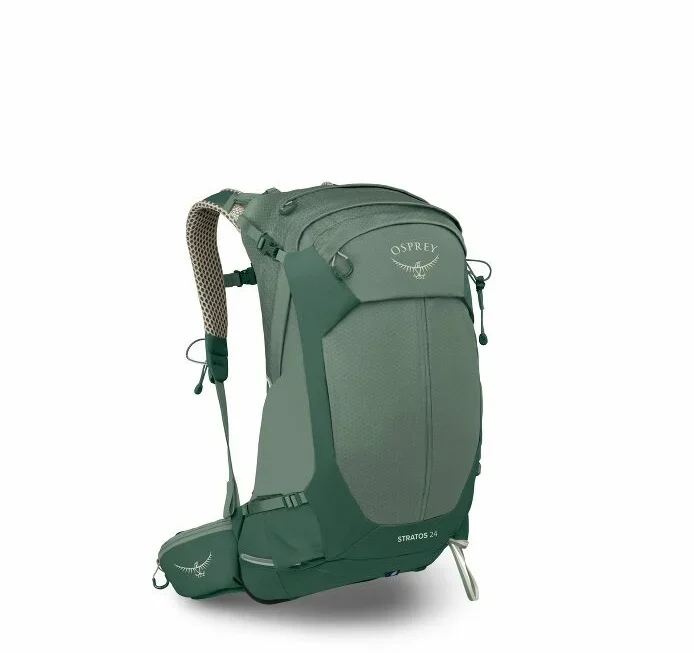
The summer trail rush has a way of exposing weak gear fast. A soft daypack that felt fine in the store can turn annoying by mile five, especially when the air is hot, the water bottles are full, and the trail keeps climbing. That is why the Osprey Stratos 24 matters to hikers who want a day hiking backpack that feels built for long hours, not short walks around a parking-lot loop. It is a 24-liter hiking pack with a framed, ventilated design, an included raincover, and enough pocketing to keep trail gear from turning into a loose pile. Osprey lists the current model with AirSpeed suspension, a 10-to-30-pound load range, and recycled bluesign-approved fabrics, which makes it more serious than many casual daypacks in the same size class. For U.S. hikers tracking outdoor gear coverage, the restock buzz makes sense: this is not the smallest pack, the cheapest pack, or the lightest pack. It is the one you choose when comfort matters more than bragging rights.
Why This Restock Is Getting So Much Attention
A hiking pack can sell out for the wrong reasons. Social media hype, color trends, and one loud deal can empty shelves before buyers understand what they are getting. This one is different. The demand is tied to a common trail problem: Americans are hiking longer day routes while carrying more safety gear, more water, and more layers than a tiny pack can handle well.
Summer day hikes are asking more from small packs
A two-hour walk near town does not test a backpack much. A six-hour loop in the White Mountains, a hot climb in Utah, or a misty ridge walk in the Smokies will. The pack starts to matter when you have a rain shell, lunch, two bottles, first aid, sun gear, a headlamp, a filter, and an extra layer stuffed into it.
That is where a 24-liter frame-supported design earns attention. The National Park Service advises hikers to carry the 10 Essentials because weather, injuries, and delays can change a short day outside. A pack in this size gives you room to follow that advice without turning every pocket into a tight squeeze.
The non-obvious part is that a larger day hiking backpack can feel better than a smaller one, even if both carry the same gear. Space lowers pressure. Gear sits flatter. Weight can ride closer to the hips instead of hanging from the shoulders like a grocery bag.
Restock interest is about fit, not only availability
The Stratos line has a reputation for comfort because it does not sit flat against your back. Osprey’s AirSpeed system uses a LightWire frame and a tensioned mesh backpanel, creating airflow while adding structure for load support. That design is the reason many hikers wait for restocks rather than grabbing any 24-liter pack that appears online.
Still, fit decides everything. A framed hiking pack can feel odd at first because the backpanel curves away from your spine. Some hikers love the airy feel right away. Others notice that the main compartment loses the soft, boxy shape of a frameless bag. Neither reaction is wrong.
A smart buyer checks torso range, hipbelt feel, and shoulder-strap angle before getting pulled into restock pressure. REI lists the men’s version with an adjustable torso fit of 17 to 22 inches and a waist range of 30 to 50 inches. That matters more than the color name, the sale badge, or the last-unit warning.
Osprey Stratos 24 Features That Make Sense on Real Trails
Feature lists can make every pack sound ready for a mountain rescue. The better test is quieter. Can you grab a snack without removing the pack? Can you secure poles when the trail turns into a scramble? Can wet weather hit without soaking your extra layer? This hiking pack answers those small trail questions well.
The storage layout favors hikers who keep moving
The main compartment opens by dual front zips, so you do not have to dig from a narrow top opening every time you need a layer. Osprey also lists a zippered top pocket with a key clip, a small front pocket for a phone or sunglasses, a large vertical front stash pocket, stretch side pockets, and two hipbelt pockets. That is a useful setup for a day hiking backpack because trail stops tend to happen fast.
Think of a hiker on the Bright Angel Trail carrying salty snacks, sunscreen, a filter, an insulating layer, and a rain shell. The hipbelt pockets handle food and lip balm. The stretch pockets keep bottles reachable. The front stash pocket takes the shell after the morning warms up. That sounds plain, but plain is good when your hands are dusty and your group is already moving.
The counterintuitive catch is that more pockets do not always mean better organization. Too many tiny compartments can hide gear. This layout works because the pockets have different jobs. You are less likely to forget where something went.
Ventilation helps, but it does not replace smart packing
The AirSpeed backpanel is the headline feature, and for warm-weather hiking, it has a real purpose. A suspended mesh backpanel creates space between your shirt and the pack body, which helps reduce that soaked-back feeling during climbs. Osprey describes the system as a mesh trampoline backpanel tensioned by a LightWire frame for cooling airflow and support.
Still, no ventilated backpack can beat poor packing. If you carry too much water on one side, strap loose gear outside, or overload the front stash pocket, the pack will feel sloppy. Good airflow is not a license to pack like a garage shelf.
The best use is balanced. Put dense items near the middle, softer layers toward the outside, and quick-grab items in the hipbelt or top pocket. The result is calmer movement, especially on rocky U.S. trails where every step asks the pack to shift.
Who Should Buy This Hiking Pack Now
A restock can create a false sense of urgency. The better question is whether this pack fits your trail life. The Stratos is not a featherweight city bag. It is a structured hiking pack for people who carry enough gear to appreciate support.
It suits hikers who carry water, layers, and safety gear
The 24-liter size works well for three-season day hikes, shoulder-season routes, and longer park trails where a tiny bag starts to feel risky. Osprey lists the load range at 10 to 30 pounds, with a 24-liter volume and a weight of 2.95 pounds. That tells you the design is not chasing ultralight minimalism. It is built to carry a real day kit.
For a U.S. example, think about a fall hike in Colorado. You may start cold, warm up fast, hit wind above tree line, then need a shell on the way down. Add water, snacks, gloves, a map, a small repair kit, and a first aid pouch. That load is not huge, but it needs structure.
A lighter frameless pack can win on short local paths. This pack wins when the day has variables. That is the difference.
It is not the best pick for every hiker
Some buyers should skip it. If your usual hike is a flat one-hour loop with one bottle and keys, this day hiking backpack may feel like too much. CleverHiker’s 2026 review made a similar point, noting that the Stratos/Sirrus design is better for hikers who value ventilation, comfort, support, and longer outings, while casual hikers and minimalists may find it too structured.
That is not a flaw. It is a category fit issue.
The hidden lesson is that comfort features have a cost. A frame, hipbelt, raincover, and suspended mesh backpanel add weight. If you do not need those features, you carry the weight without gaining much. If you do need them, the extra ounces can make the whole day feel easier.
How to Buy During a Restock Without Making a Rushed Choice
Restocks make people act fast. That can be useful when supply is thin, but it can also lead to sloppy buying. A pack touches your body for hours. Treat the purchase like footwear, not like a phone case.
Check sizing, return rules, and the color you will use
Start with fit. The pack should sit with the hipbelt carrying part of the load, the shoulder straps wrapping without gaps, and the sternum strap sitting comfortably across the chest. If the belt rides too high or too low, the frame will not save the carry.
Then check return rules. This matters for online shoppers in the U.S. because a framed hiking pack can feel different once loaded. Put 12 to 15 pounds in it at home. Walk stairs. Bend down. Reach for bottles. A pack that feels great empty can feel wrong once the load shifts.
Color is the last practical detail, but it still matters. Dark colors hide dirt and blend into town use. Brighter colors can be easier to spot at a crowded trailhead or campsite. Do not buy the color that is left unless you will still like it after summer.
Compare it against lighter and larger alternatives
The best comparison is not only another 24-liter pack. Compare the Stratos with a lighter 20-to-22-liter bag and a larger 30-to-36-liter framed pack. That gives you a clearer sense of what you are trading.
A lighter bag may be better for quick after-work hikes. A larger pack may suit winter layers, family snacks, or camera gear. The Stratos sits in the middle: enough room for a serious day, not enough room to encourage overnight packing.
That middle position is why it keeps getting attention. Many hikers do not need a backpacking pack. They need a trail daypack that does not collapse when the water load gets heavy. For related planning, a day hike packing checklist and best summer trail gear can help you decide whether 24 liters is enough before you buy.
Conclusion
The restock matters because the trail daypack market is full of bags that look similar until the hike gets long. A structured, ventilated backpack with a real hipbelt can feel unnecessary in the store, then feel wise halfway up a hot climb. That is the core appeal here. The Osprey Stratos 24 is not trying to be the lightest choice on the wall, and that may be its strongest argument. It gives up packable softness for support, airflow, pocket access, and weather backup. For hikers who carry water, layers, snacks, poles, and safety basics, that trade makes sense. For quick town loops, it may be more pack than you need. Buy it because your hikes ask for it, not because a restock alert made the decision feel urgent. Choose the pack that keeps you moving when the easy part of the trail is over.
Frequently Asked Questions
How much gear can a 24-liter hiking pack carry?
A 24-liter pack can carry water, snacks, a rain shell, insulation, first aid, sun gear, navigation tools, and small extras for a full day hike. It is not meant for overnight loads, but it works well for longer three-season day routes.
Is a framed day hiking backpack better than a frameless one?
A framed pack is better when you carry heavier water, layers, or safety gear. It adds support and helps transfer weight to the hips. A frameless pack is better for short hikes, travel, or light loads where soft flexibility matters more.
Does a ventilated backpack keep your back fully dry?
No backpack keeps your back fully dry during hard hiking. A ventilated backpanel can reduce heat buildup and help airflow, but sweat still happens. Fabric choice, pace, weather, and load weight all affect how dry you feel.
Is the Stratos line good for hot-weather hiking?
Yes, it is well suited to warm conditions because the suspended mesh backpanel creates airflow between your back and the pack body. It helps most on climbs, exposed trails, and long summer outings where flat-back packs can feel sticky.
Can this hiking pack hold a hydration reservoir?
Yes, the current model is hydration compatible. It includes an internal sleeve and hose routing, and REI lists compatibility with reservoirs up to 3 liters. A reservoir is not included, so buyers need to add one separately.
Is this pack too heavy for casual hikers?
It may be too much for short, easy walks. The frame, hipbelt, raincover, and structured backpanel add weight. Casual hikers carrying only keys, one bottle, and a snack may prefer a lighter, softer daypack.
What should buyers check before ordering during a restock?
Fit comes first. Check torso range, waist fit, return policy, pocket layout, and whether the pack suits your usual load. Load it at home before removing tags, because framed packs can feel different once filled with trail gear.
What size hiker is this pack best for?
The men’s version works best for hikers who fall within its listed torso and waist ranges. REI lists a 17-to-22-inch torso fit and a 30-to-50-inch waist range. Trying it loaded is the safest way to confirm comfort.