

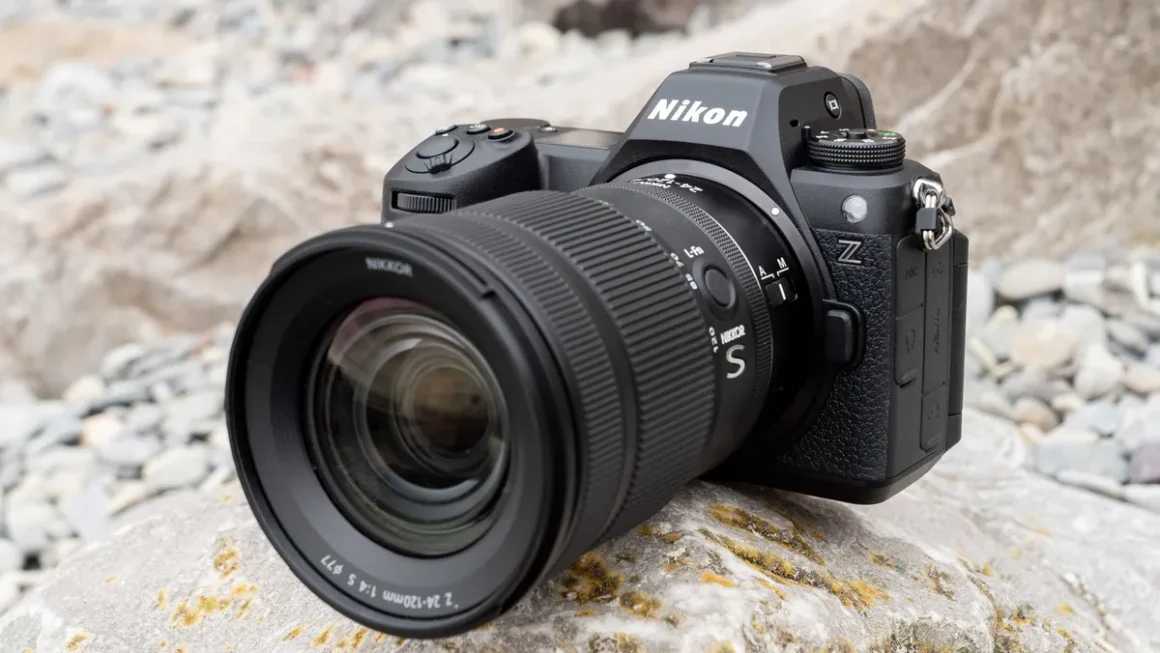
Camera prices have a way of testing your patience, especially when the model you want sits a few hundred dollars above comfort. That is why the Nikon Z6 III price drop feels bigger than a normal sale for U.S. photographers, filmmakers, wedding shooters, and creators who have been waiting for the math to make sense. Current deal tracking shows the body at $1,996.95, down from the $2,696.95 launch price at B&H, with recent camera deal coverage calling it its lowest-ever price. That changes the conversation. This is not an old body being pushed out before people forget it exists. It is a modern full frame camera with a 24.5MP partially stacked sensor, EXPEED 7 processing, internal 6K/60p RAW video, and up to 120 fps JPEG shooting in select modes. For buyers following current product and tech deal coverage, the question is no longer whether this mirrorless camera deal looks tempting. It does. The smarter question is whether the lower price makes this body the right long-term tool for the way you shoot.
Why the Nikon Z6 III Price Drop Matters Right Now
A discount only matters when it fixes the real objection. For many buyers, the issue was never whether this camera had enough power. The issue was whether it sat too close to higher-end bodies and too far above older full frame options. Below $2,000, that pressure eases. The camera starts to feel less like a stretch purchase and more like a fair entry into a fast hybrid system.
That does not mean every buyer should rush. A lower price can blur judgment. The smart play is to match the body to the work you actually do, not the work a product page makes you imagine.
The new price changes the upgrade math
At launch, the body had to defend itself against cheaper used gear, older Nikon mirrorless bodies, and rival full frame camera options from Sony and Canon. That was a hard room. A buyer spending close to $2,700 had every reason to ask whether saving longer for a higher-tier body made more sense.
At $1,996.95, the argument shifts. You are no longer paying the same kind of premium for the newest mid-range body. Recent deal reporting frames the drop as a $700 cut from launch pricing, while B&H lists the same sale price and savings on the current product page. That puts it in a zone where serious hobbyists, solo video creators, small studio owners, and second-shooter wedding photographers can think about buying new instead of hunting used.
Here is the non-obvious part: the discount may matter more for people already in Nikon’s Z system than for new buyers. If you already own Z-mount glass, the sale reduces the pain of upgrading the body while keeping your lenses, batteries, menus, and muscle memory close to home. Switching brands can look cheaper on the surface, then get ugly once lenses enter the cart.
Why this is not only a spec-sheet win
A camera can look strong online and still feel wrong in hand. That is where hybrid bodies earn or lose trust. A wedding shooter in Ohio, for example, may need quiet ceremony photos in the afternoon, quick family portraits before sunset, and short-form video clips before the reception opens. That person does not need a camera that wins one category. They need one that survives the whole day.
This model’s appeal is that it does not force a clean split between stills and video. Nikon lists internal RAW video up to 6K/60p, oversampled 4K UHD, Full HD up to 240p, built-in 5-axis stabilization rated up to 8 stops, and fast high-speed shooting modes. Those features point toward one kind of buyer: someone who cannot afford to carry separate bodies for every task.
The trap is thinking “hybrid camera” means equal perfection everywhere. It does not. It means the compromises are placed where many working creators can live with them. For a YouTuber filming product shots in a spare bedroom, a sports parent shooting Friday night football, or a real estate shooter mixing photos and quick vertical clips, that balance can matter more than chasing a flagship spec.
What Buyers Should Know About the Full Frame Camera Experience
The sale price gets attention first, but the sensor experience is what decides whether the purchase feels good six months later. A full frame camera is not magic. It will not fix poor light, rushed composition, or weak lenses. Yet it gives you room to work, especially when light changes and depth of field becomes part of the story.
Nikon announced this body on June 17, 2024, describing it as a full-frame/FX-format mirrorless camera with the world’s first partially stacked CMOS sensor among full-frame mirrorless cameras available at that time, based on Nikon research. That sensor design is the quiet center of the camera. It is not only about image size. It is about readout speed, focus behavior, viewfinder feel, and how quickly the body reacts when the scene refuses to wait.
The sensor gives speed without making the camera feel extreme
The partially stacked design is the kind of detail many casual buyers skip, then feel later without knowing why. Nikon says the sensor gives about 3.5 times faster readout than the prior model and helps support fast shooting and video features. In plain terms, the camera can move data off the sensor faster, which helps with action, electronic shutter use, and smoother viewing.
That matters in ordinary U.S. shooting situations. Think of a high school basketball game in a dim gym. The action is fast, the light is mixed, and the best moment may last less than a second. A slower body can still take good photos, but you spend more energy fighting timing and focus. A faster body gives you more chances before the play breaks apart.
The counterintuitive part is that speed helps calm shooters down. It sounds backward. Fast cameras are marketed with birds, athletes, and race cars, but their real gift is breathing room. When the body keeps up, you stop stabbing at the shutter in panic. You start watching the scene again.
Video tools make sense for working creators, not only filmmakers
Many buyers see 6K/60p RAW and assume the camera is aimed at cinema crews. Some will use it that way. Nikon’s official feature list includes 6K/60p internal RAW, 4K/120p, and Full HD/240p video options, which are serious tools for a body in this price range. Yet the bigger audience may be the creator who needs clean options, not a full film rig.
A local fitness coach in Texas filming paid workout clips may not need RAW video every week. A small business owner shooting product reels may not need high-frame-rate footage every day. But when the job calls for cropping, slowing down motion, or matching a client’s vertical edit, extra video room prevents a reshoot.
That is where this mirrorless camera deal gains weight. The camera is not cheap in the casual sense. It still asks for real money. But when one body can handle portraits, short films, event clips, product photos, and family travel work, the cost spreads across more uses. The best value is often not the lowest-priced body. It is the one you do not outgrow too soon.
For buyers comparing systems, a guide like how to choose a full frame camera can help sort the lens, storage, and body costs before the sale timer starts making decisions for you.
Where the Deal Makes the Most Sense for U.S. Creators
The best buyer for this body is not the person who wants the newest thing. It is the person whose current camera is now the weak link. That may be a photographer missing focus during indoor events, a YouTuber tired of limited video modes, or a travel shooter who wants better files without carrying a giant kit.
This is where U.S. buying habits matter. Many shoppers wait for Memorial Day, Prime Day, Black Friday, or holiday bundles. That can work. The risk is waiting through a whole paid season while the wrong camera keeps costing you shots. A sale matters more when it arrives before the work, not after it.
Wedding, event, and family shooters get the clearest benefit
Event work punishes slow gear. People move in bad light, moments do not repeat, and nobody wants the camera to become part of the drama. Nikon’s official page lists subject detection, 3D-tracking, fast burst options, and low-light AF claims, while B&H highlights the 24.5MP sensor, EXPEED 7 engine, and video features on its product page. Those are the kinds of tools that help when a reception floor gets dark or a child runs out of a frame.
A practical example: a part-time wedding shooter in Pennsylvania may carry one body for stills and a second for backup. If the main body hunts during low light or overheats during clips, every job feels tense. Upgrading to a faster hybrid camera can reduce that stress, even if the photographer never touches the most advanced video settings.
Here is the less obvious insight. For event shooters, the discount is not only about saving $700. It is about shortening the payback period. If the camera helps you book two extra jobs, deliver cleaner galleries, or stop renting for video-heavy weddings, the lower entry price changes the business math.
Travel, wildlife, and sports buyers should think about lenses first
Fast bodies can tempt wildlife and sports shooters, and this one has enough speed to earn that attention. Nikon’s official materials list high-speed C30, C60, and C120 modes, with 120 fps at reduced resolution, plus Pre-Release Capture in supported modes. That can help when a bird leaves a branch, a runner crosses the line, or a dog turns mid-jump at the park.
Still, the body is only half the story. Wildlife and sports buyers need glass. A discounted body paired with the wrong slow lens can disappoint faster than an older body paired with better reach. This is where shoppers need discipline. The sale may free up money for a telephoto lens, a faster card, or a spare battery. Spend the saved money where the whole kit gets stronger.
For travel shooters, the value is different. The body gives strong stills and video in one bag. A family road trip through Utah, a week in New York, or a national park visit can shift from wide landscapes to portraits to handheld clips in the same hour. That is the hidden charm of a well-priced hybrid camera. It lets you pack less without feeling underprepared.
A page on mirrorless camera accessories worth buying can also help buyers avoid wasting the sale savings on gear that looks useful but stays in a drawer.
How to Buy This Mirrorless Camera Deal Without Regret
A record-low price can create pressure. Retail pages say “in stock,” deal posts say “lowest ever,” and suddenly waiting feels foolish. Slow down. A camera that costs around $2,000 still deserves a clear plan.
The best way to judge this mirrorless camera deal is to ask three plain questions. Does your current body hold you back? Do your lenses support the upgrade? Will the new features help with paid work, family use, travel, or creative projects you already shoot? When the answer is yes, the sale becomes easier to defend.
Check the final kit price, not only the body price
The body price is the headline, but the real cost includes cards, batteries, lenses, storage, straps, protection, and maybe a cage or microphone for video. This camera uses high-performance features that can push buyers toward faster media and more storage. A person shooting 6K footage will feel that cost sooner than a person taking weekend portraits.
B&H lists multiple kit choices and add-on options around the current sale price, including body-only and lens bundles. That can be helpful, but it can also make the cart swell. A bundle is not always a better buy. Sometimes it adds items you would not choose on your own.
The smarter move is boring: price the exact kit you would build if there were no sale. Then compare. If the discount lets you buy the body and one item you already needed, that is real value. If it nudges you into a bundle full of extras you would never miss, the savings are partly theater.
Know when waiting still makes sense
Some buyers should wait. If you shoot mostly still subjects, rarely record video, and already own a capable full frame camera, this body may be more power than you need. If you are new to photography, a cheaper body plus better lens may teach you more. A sale should not turn a want into a need.
There is also timing. Camera deals can repeat, disappear, or shift between retailers. Current coverage points to a record-low sale, but prices and stock can change without much warning. Imaging Resource notes the body at $1,996.95 and warns that prices and savings are subject to change. That means you should verify the live price before building a whole purchase plan around it.
The counterintuitive advice is this: missing a deal hurts less than buying the wrong camera. If the body fits your work, the lower price is a strong opening. If it does not, the discount is only a louder sales pitch.
Conclusion
The best camera deal is rarely the one with the biggest red discount label. It is the one that meets a real need at the moment you are ready to use it. For many U.S. photographers and creators, the Nikon Z6 III now sits in that zone because the lower price brings its speed, video tools, and full frame quality into a more reasonable range. Current sale listings and deal coverage put the body near $1,996.95, which is a serious drop from launch pricing. Still, the right answer depends on your lenses, your work, and your tolerance for carrying gear that does more than you need. Buy it if the camera solves a problem you already feel. Skip it if the sale is the only reason you care. A smart purchase should make your next shoot feel lighter, not your credit card heavier.
Frequently Asked Questions
How much is the current sale price for this Nikon full frame body?
Current B&H listing data shows the body at $1,996.95, down from $2,696.95, with a listed $700 savings. Since camera pricing changes often, check the retailer’s live listing before you buy or compare bundles.
Is this full frame camera good for wedding photography?
Yes, it fits wedding work well because it combines fast autofocus, strong low-light tools, high-speed shooting, and serious video options. That mix helps during ceremonies, receptions, portraits, and short highlight clips where one body must handle changing light and fast movement.
Is the sale worth it for beginners?
It can be too much camera for a total beginner. New shooters may get better results from a cheaper body and a strong lens. It makes more sense for beginners who already know they want full frame quality and plan to grow into paid or serious creative work.
What kind of memory cards should buyers consider?
Buyers should choose cards based on how they shoot. Casual stills need less speed than RAW bursts or high-end video. Because the camera supports demanding video and fast shooting modes, serious users should budget for reliable, fast media instead of treating cards as an afterthought.
Is this a good hybrid camera for YouTube creators?
Yes, especially for creators who mix talking-head clips, product shots, slow motion, and photo work. The 6K and 4K video options give room for editing, while the full frame sensor helps with image quality and background separation in small studio setups.
Should existing Nikon Z users upgrade now?
Existing Z users may benefit most because they can keep their lenses and stay inside a familiar system. The sale reduces the cost of moving into a faster body without rebuilding the whole kit. The upgrade makes sense when your current camera limits focus, speed, or video.
Does the lower price make it better than older used cameras?
Often, yes, but not always. A new sale body gives current features, warranty support, and lower risk than many used options. Older used cameras can still be smart buys if your needs are simple and you would rather spend more on lenses.
What should buyers check before purchasing?
Check the live price, return policy, warranty, lens needs, card requirements, and bundle contents. A low body price can lose value if you add accessories you do not need. Build the full kit cost first, then decide whether the deal still feels right.