

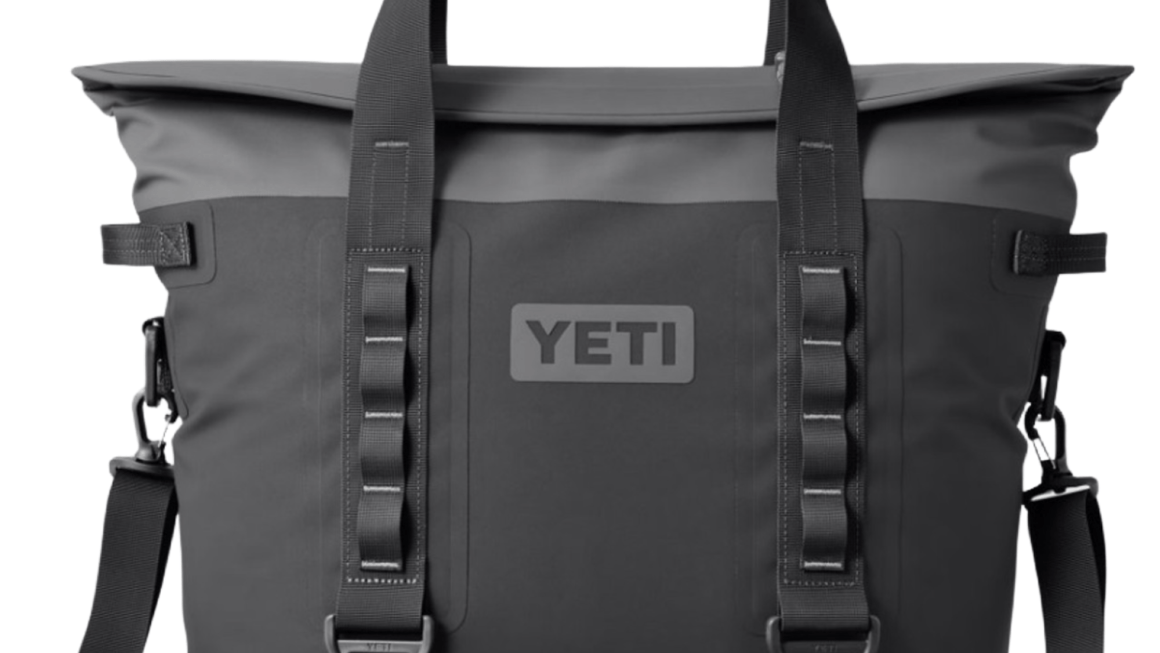
A cooler restock does not matter until the timing lines up with real life. Early summer is when Americans start packing trucks for lake weekends, youth baseball tournaments, beach rentals, tailgates, road trips, and long afternoons where one lukewarm cooler can spoil the mood fast. The Yeti Hopper M30 is back in the conversation because shoppers want a large soft-sided option without dragging a hard chest through sand, parking lots, or crowded docks. YETI’s current product page lists the M30 Tote Soft Cooler at $350, notes early access for account holders, and shows a “Notify Me” option, which is exactly the kind of inventory signal buyers watch after a holiday rush.
The smarter move is not to panic-buy. It is to know what this restock means, who should care, and where the M30 fits among today’s summer gear. For broader summer gear coverage, the lesson is simple: the best outdoor products earn attention when they solve an annoying problem. Here, that problem is carrying enough cold drinks and food for a group without committing to a bulky hard cooler. A soft cooler restock only matters if the product fits your week, not only your wish list.
Why the Yeti Hopper M30 Restock Feels Different This Summer
The mood around this restock is shaped by timing. Memorial Day is not only a long weekend. It is the unofficial test run for summer buying habits in the United States. People learn fast whether their old cooler leaks, whether it is too heavy, or whether it cannot hold enough for a full day away from home. That is why a Memorial Day cooler sale can create a second wave of demand when shoppers miss the first round.
The holiday rush exposed a real use case
A lot of outdoor gear looks good in a cart. Fewer pieces feel useful at 7:30 a.m. when you are loading the back of an SUV with folding chairs, sunscreen, fruit, deli sandwiches, and two bags of ice. The M30’s appeal sits in that ordinary moment. It is not trying to be the biggest cooler at the campsite. It is trying to be the one you can carry from the car to the dock without asking someone else to grab the other handle.
YETI says the current M30 fits 42 cans or 32 pounds of ice, with no mix counted in those capacity figures. That makes it more of a group-day tote than a personal lunch cooler. It also helps explain why interest climbs around cookout season, when one family may be packing drinks for adults, juice boxes for kids, and extra water for a hot walk back.
The non-obvious part is that size alone is not the selling point. Too much space can work against you if you half-pack a soft cooler, leave air gaps, and open it every five minutes. The M30 makes the most sense when you often pack for several people and can fill it with cold mass. Empty space is not luxury. In a cooler, it is warm air waiting to move in.
That is why this model lands best with people who already know their summer pattern. A couple who takes short city-park picnics may not need this much tote. A family that spends Saturdays between Little League fields, marina parking lots, and backyard dinners may use every inch. The restock matters because it catches buyers at the moment when last month’s pain is still fresh.
A restock is a buying window, not a command
The internet turns every restock into a small emergency. That is useful for retailers, less useful for your wallet. A soft cooler restock should be treated as a window to compare colors, prices, seller return terms, and whether the current version is the one you intend to buy. YETI’s own page also carries warnings that the Hopper soft coolers are not compatible with dry ice, and that magnets may interfere with pacemakers. Those details should sit beside the price in your decision, not hide under it.
There is also the recall history to separate from the current shopping moment. In 2023, YETI and the U.S. Consumer Product Safety Commission recalled earlier Hopper M30 1.0 and 2.0 products, plus the Hopper M20 and SideKick Dry, because magnet-lined closures could fail and release magnets. The CPSC listed about 1.9 million U.S. units affected and advised consumers to stop using recalled items and contact YETI for a refund or replacement.
That does not mean every M30 listing today is unsafe. It means used listings and older stock need extra care. If the deal looks too good, check the exact model, seller, and recall status before buying. A restock from an official or trusted retailer is not the same thing as a random marketplace listing with old photos and vague wording.
The quiet advantage of waiting for fresh inventory is peace of mind. You are not only buying insulation, straps, and a magnetic opening. You are buying a cleaner paper trail, a clearer return path, and a better shot at receiving the current design rather than a leftover unit with a confusing history.
What Makes This Soft Cooler Worth Watching
The M30 sits in a strange but useful lane. It is more portable than a hard cooler, more serious than a cheap zip-top bag, and roomier than many personal soft coolers. That middle ground is why shoppers keep watching it. A YETI soft cooler is rarely the cheapest answer, so the case for it has to come from how often you use it and how annoying your current setup feels.
The wide-mouth design changes how you pack
The best feature may be the easiest one to overlook. YETI describes the current M30 as re-engineered with MagShield Access, using an extra-wide mouth that stays open when needed and closes with magnets and quick-release buckles. That matters because many soft coolers fight you while you load them. They sag, collapse, or force you to slide containers sideways.
A wide opening makes a cooler feel less like a pouch and more like a tote. You can lower in a food container, stand up tall drinks, and see what is buried under the ice sheet. For a family leaving for a beach house in North Carolina or a lake day in Michigan, that means fewer crushed sandwich bags and less digging around with wet hands.
Here is the catch: a wide mouth also invites heat if you leave it open. The feature helps most when you pack fast, close it fast, and treat it like cold storage rather than a snack basket. That sounds obvious until six people start reaching for drinks. The cooler is not only a product. It is a small group habit.
The tote shape also changes where the cooler can sit. A hard box often claims the floor space around it. The M30 can tuck behind a boat seat, sit near a picnic bench, or ride in the back seat footwell when the cargo area is already packed. That flexible placement is not glamorous, but it matters on the kind of trips people take every week.
Cold performance depends on behavior
YETI markets the M30 with closed-cell foam insulation and a leakproof liner built with RF-welded interior seams. Those features support cold holding, but no soft cooler beats poor use. Heat gets in when the lid stays open, when warm cans are added late, or when the cooler sits on hot pavement through the afternoon.
The FDA tells outdoor eaters to keep cold food at 40°F or below, use ice or frozen gel packs, keep coolers closed, and consider separating drinks from perishable food so the food cooler is opened less often. That advice is plain, but it is the difference between a good cooler day and a risky one. FDA outdoor food safety guidance is worth reading before a long picnic or tailgate.
The counterintuitive move is to buy less cooler than your ego wants and more cooler than your daily carry needs. The M30 is a strong fit when you need group capacity often. If you mostly carry lunch for two, a smaller model may stay colder because it gets packed tighter and opened less.
Good cooling starts before the lid closes. Chill cans overnight. Freeze water bottles. Put the cooler in an air-conditioned room before loading it instead of letting it bake in a garage. These small steps feel boring, which is why people skip them. Then they blame the cooler when the real problem started before the ice went in.
How to Decide Before the Next Color Sells Out
A restock can make people choose by color first. That is human. It is also backward. A cooler that looks great but feels wrong to carry will end up in the garage beside the folding chairs with missing feet. Before you chase a limited shade, run the M30 through your normal summer day and see where it helps.
Match the cooler to your real route
Start with distance. If your main trip is from kitchen counter to back patio, almost any insulated option can work. If your trip is from a packed parking lot to a youth soccer field, then a loaded soft tote needs comfortable carry points. YETI states the M30 has reinforced pickup points and a double-stitched carry setup designed to handle loaded contents.
Think about the shape of the day, too. Beach trips punish wheels and hard boxes in different ways. Boats reward coolers that sit flat and do not slide into ankles. Apartment dwellers may care more about storage because a hard chest can eat half a closet. This is where the M30’s soft form earns its keep. It gives you serious capacity without becoming a permanent piece of furniture.
A good example is a Fourth of July day at a public park. You might park far away, carry food across grass, sit in heat for hours, then repack leftovers before fireworks. A hard cooler wins if you need it as a seat or if ice retention is the only goal. The M30 wins if the hard part is getting everything there without turning the walk into a chore.
This is also where regional habits matter. Arizona buyers may care most about shade and ice volume. New England boaters may care more about fit and splash resistance. Parents in suburban Texas may judge the cooler by whether it can survive sports weekends from April through September. Same product, different test.
Check the version, seller, and return path
The biggest buying mistake is assuming all similar-looking listings tell the same story. Because older M30 versions were recalled, used gear deserves more scrutiny than a new item from YETI or a major retailer. Look for clear product names, current photos, receipt history when buying secondhand, and a seller that will stand behind the order.
Do not skip the return policy. A premium cooler can still be wrong for your body, storage space, or routine. The shoulder feel when loaded is hard to judge from photos. So is the way the opening behaves when you are packing real food instead of showroom cans.
This is also where a Memorial Day cooler sale can distort judgment. A discount makes a product feel urgent, but a good price on the wrong size is still wasted money. Use the restock to slow down. Compare the M30 against best soft coolers for beach days and a summer camping gear checklist before you decide what your setup is missing.
Color deserves a final note because YETI buyers care about it, and that is fair. A bright seasonal color is easier to spot at a crowded campsite. A darker shade may look cleaner after months in truck beds. Neither choice matters as much as condition, warranty path, and whether the cooler solves the trip you repeat most.
Best Ways to Use the M30 Once You Get One
The first week with a new cooler often decides whether it becomes part of your life. If you pack it carelessly, it feels heavy, wet, and overbuilt. If you build a simple system, it starts earning its place fast. The M30 is at its best when you treat it like a cold station with a job, not a catch-all tote for everything in the pantry.
Pack by temperature, not by category
Most people pack by item type. Drinks here, food there, snacks wherever they fit. A better method is to pack by temperature risk. Put the items that must stay coldest closest to the ice source, keep ready-to-eat foods away from raw meat packages, and avoid adding room-temperature drinks after the cooler is already cold.
The FDA recommends keeping raw meat, poultry, and seafood securely wrapped to prevent their juices from touching cooked or ready-to-eat foods. That matters in any cooler, but it matters more in a tote that gets carried, tilted, and opened outdoors.
For a Saturday lake trip, use frozen water bottles or ice packs on the bottom, sealed food containers above them, and drinks that were chilled overnight. Put the first round of beverages near the top so people do not dig. The simple order saves cold air and keeps hands out of the food zone.
One smart habit is to pack a small “open first” layer. Put napkins, a few drinks, and the first snacks at the top. The items people want right away should not be buried under the dinner items. The less time the cooler sits open, the better it performs.
Make the cooler part of a two-cooler setup
The M30 can carry a lot, but that does not mean it should carry everything. For long outdoor meals, the smartest setup is often one cooler for drinks and one for perishable food. The FDA suggests that split because beverage coolers tend to be opened more often, which exposes food to warm air if everything is packed together.
This is where a YETI soft cooler can pair well with a cheaper drink tub or an older hard cooler. Let the M30 carry the items that need better sealing, better handling, and less chaos. Let the crowd abuse the drink cooler. It sounds less elegant, but it works.
The non-obvious benefit is social. When guests know where the drinks are, they stop opening the food cooler out of curiosity. Less opening means steadier cold. Steadier cold means fewer questions about whether the chicken salad is still safe. A cooler cannot control the weather, but a good setup can control the traffic around it.
After the trip, clean it the same day. YETI recommends rinsing with soap and water, drying the inside, wiping the MagShield opening, and leaving the cooler open and upside down to dry. That last step may be the one that saves the most grief, because trapped moisture is how a good cooler starts smelling like last weekend.
Conclusion
The summer cooler market is noisy because every brand wants to turn hot weather into a buying trigger. The better way to view this restock is through the day you are trying to make easier. If you often pack for groups, carry gear across awkward ground, and want a soft-sided cooler with serious capacity, the M30 deserves attention. If you need a lunch bag or a bargain cooler for rare use, step back.
The Yeti Hopper M30 is not a magic fix for bad packing, weak ice prep, or food left in the sun. It is a high-capacity tool that rewards the person who plans ahead. The current version brings a wide magnetic opening, large listed capacity, and a tote format that fits busy American summer routines. Check the seller, avoid recalled older versions, and make sure the size matches your real trips. Then buy for the way you travel, not for the panic of a restock alert. That is how summer gear pays you back.
Frequently Asked Questions
How much does the current M30 soft cooler cost?
YETI’s official product page lists the current M30 Tote Soft Cooler at $350. Retail prices can change by color, seller, and sale timing, so check the official page and trusted retailers before buying.
Is the M30 a good cooler for beach trips?
Yes, it can work well for beach days because it carries group-sized food and drinks without the bulk of a hard chest. Sand, distance, and weight still matter, so pack it tight and avoid carrying more than you need.
What should I check before buying a used M30?
Check whether the unit is part of the 2023 recall, confirm the exact version, inspect closure photos, and ask for proof of purchase when possible. A low price is not worth the risk if the model history is unclear.
Can I use dry ice in this soft cooler?
No. YETI warns that Hopper soft coolers are not compatible with dry ice because the airtight vessel can explode. Use regular ice, frozen gel packs, or compatible ice sheets instead.
How many cans does the M30 hold?
YETI lists the M30 as fitting 42 cans when packed with cans only. If you add ice, food containers, or ice packs, the practical drink count will be lower.
Why did older M30 coolers get recalled?
Earlier Hopper M30 1.0 and 2.0 units were recalled because magnet-lined closures could fail and release magnets. The recall covered affected products sold from March 2018 through January 2023.
Is one large cooler better than two smaller coolers?
Two coolers often work better for outdoor meals. Use one for drinks and one for perishable food, because drink coolers get opened more often and can warm food faster.
What is the best way to keep food safe in a cooler?
Pre-chill food and drinks, use enough ice or frozen packs, keep the lid closed, and hold cold food at 40°F or below. Pack raw meat securely so juices cannot touch ready-to-eat food.