


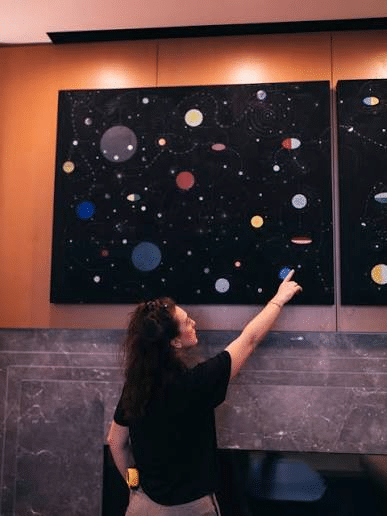
Professional conferences bring together business leaders, industry experts, employees, and clients to exchange ideas, build relationships, and celebrate achievements. Every event creates valuable moments that deserve to be documented with care. Concorde Arlington conference photography helps organizations preserve these experiences through professional images that reflect the atmosphere, people, and purpose of their gatherings.
Whether a company is hosting a corporate meeting, an industry seminar, a networking event, or a business conference, high-quality photography can make a lasting difference. Well-planned images provide more than a visual record of the occasion. They also support marketing campaigns, strengthen brand identity, and help businesses communicate their professionalism to a wider audience.
The Importance of Professional Conference Photography
Corporate conferences often require months of preparation. Organizers coordinate speakers, prepare presentations, welcome attendees, and create opportunities for collaboration. Once the event concludes, photographs become an important way to preserve the work and energy invested in making it successful.
Professional photography captures the details that written reports cannot fully communicate. From keynote speakers presenting important ideas to attendees sharing conversations during networking breaks, each image can tell a meaningful part of the event’s story.
For organizations planning events in Northern Virginia, Concorde Arlington VA event photography can help document these occasions in a polished and engaging way. Images can be used in company newsletters, annual reports, websites, social media updates, and future promotional materials.
A professional photographer understands how to recognize important moments without unnecessarily interrupting the event. This balance allows attendees to remain focused while essential activities are documented naturally.
What Makes Concorde Arlington VA Event Photography Valuable?
Every corporate event has its own objectives, audience, and atmosphere. Effective event photography should reflect these differences rather than relying on a generic collection of pictures.
Capturing Keynote Speakers and Presentations
Speakers frequently provide the central focus of a conference. Their presentations may introduce new strategies, share research findings, or explain important developments within an industry.
A skilled event photographer documents these moments by capturing expressive gestures, audience engagement, presentation details, and interactions between speakers and participants. Images should communicate the energy of the presentation while maintaining a professional appearance.
Photographs of keynote speakers can also become valuable resources for future promotional campaigns. Businesses may use them to highlight conference achievements, promote upcoming sessions, or demonstrate their involvement in professional communities.
Documenting Networking Opportunities
Networking is one of the main reasons professionals attend conferences. Conversations during registration, refreshments, and scheduled breaks can lead to partnerships, business opportunities, and lasting professional relationships.
Candid photography helps preserve these interactions. Rather than asking every attendee to pose, photographers can capture genuine conversations and natural expressions while remaining respectful of personal boundaries.
These photographs communicate the welcoming and collaborative atmosphere of an event. They also help organizations demonstrate that their conferences offer opportunities for meaningful engagement beyond formal presentations.
Creating Professional Group Photographs
Group photographs remain important for corporate events, association meetings, award ceremonies, and industry gatherings. They recognize participation and provide a visual record of the people who contributed to an occasion.
Successful group photography requires suitable lighting, thoughtful positioning, and clear communication. The photographer should arrange participants so that faces remain visible and the composition feels balanced.
When appropriate, organizers can schedule group photographs before the event becomes busy. This simple planning step helps minimize disruption and makes it easier to gather everyone in one place.
Preparing for a Successful Conference Photography Session
Good conference photography begins before the first attendee arrives. Preparation allows photographers and event organizers to work together efficiently and reduces the likelihood of missing important moments.
Develop a Photography Schedule
Organizers should identify the most important activities and share their schedule with the photographer in advance. Keynote presentations, panel discussions, award announcements, networking sessions, and group photographs may all require specific coverage.
A photography schedule also helps determine where the photographer should be positioned at different stages of the event. This preparation is particularly useful when several activities take place simultaneously.
Discuss the Desired Photography Style
Different organizations prefer different visual styles. Some want formal corporate portraits and carefully arranged group photographs, while others prefer candid images that communicate the natural energy of the gathering.
Discussing these preferences before the event helps establish clear expectations. Organizers can also share examples of previous conference photographs to explain the desired look, composition, and level of formality.
For Concorde Arlington conference photography, the final approach should reflect the event’s purpose, audience, and brand identity.
Consider Lighting and Venue Conditions
Conference venues can present a variety of lighting challenges. Large meeting rooms, presentation screens, conference tables, and mixed artificial lighting may affect image quality.
Experienced photographers adapt their camera settings and equipment to suit the environment. They also consider how to photograph speakers without distracting attendees or interfering with presentations.
When possible, organizers should provide advance access to the venue. This allows the photographer to assess the room, identify useful viewpoints, and plan for important photographs.
How Conference Photography Supports Business Marketing
Professional event photographs can continue delivering value long after a conference ends. Instead of treating photography as a record of a single day, organizations can incorporate selected images into their wider communication strategies.
Strengthening Brand Identity
Consistent visual content helps businesses present a recognizable and professional image. Photographs showing well-organized meetings, engaged participants, and confident speakers can communicate an organization’s commitment to quality.
Branding can also be incorporated naturally through visible signage, presentation materials, event displays, and appropriate background elements.
The goal is to create authentic images that reflect the organization rather than photographs that feel overly staged or dominated by promotional messages.
Improving Social Media Content
Social media platforms provide organizations with opportunities to share conference highlights with employees, clients, partners, and prospective customers.
A carefully selected collection of event photographs can support post-event recaps, speaker announcements, attendee appreciation posts, and promotional campaigns for future conferences.
High-quality visuals also make updates more engaging. Images of audience participation, panel discussions, and networking activities can help communicate the value of an event to people who could not attend.
Supporting Websites and Future Events
Organizations can use conference photographs on event landing pages, corporate websites, presentation decks, and registration materials. Images from previous gatherings may help prospective attendees understand the format and atmosphere of future events.
Photography can also contribute to internal communication. Businesses may include selected images in employee newsletters, training materials, and annual summaries to recognize participation and celebrate organizational milestones.
Choosing the Right Conference Photographer
Selecting a photographer involves more than comparing prices. Organizations should consider experience, communication, image quality, reliability, and the ability to work within a professional environment.
Reviewing a portfolio is a useful starting point. Look for examples of speakers, group photographs, candid interactions, and indoor conference coverage. These images can demonstrate whether the photographer can handle different situations and lighting conditions.
It is also important to discuss practical details before confirming an assignment. Organizers should clarify the duration of coverage, expected number of edited photographs, delivery timeline, usage rights, and any additional costs.
For larger conferences, it may be helpful to determine whether a second photographer is necessary. Multiple photographers can provide broader coverage when several sessions or activities occur at the same time.
Clear communication helps ensure that the photography service meets the organization’s expectations and supports the overall event plan.
Respecting Attendee Privacy and Professional Standards
Conference photography should be conducted responsibly. Organizers need to consider attendee permissions, venue policies, and any restrictions relating to confidential presentations or sensitive business information.
Providing advance notice that photography will take place helps attendees understand what to expect. Event teams should also establish a process for handling requests from individuals who do not wish to be photographed.
Photographers should avoid capturing confidential documents, private conversations, or restricted presentation materials. Images intended for public use should be reviewed to ensure they align with the organization’s communication policies.
These considerations are especially important for professional conferences involving executives, clients, researchers, or representatives of regulated industries.
Getting the Most Value From Your Event Photographs
After the conference, organizers should select images that represent the event’s main objectives. A balanced gallery may include keynote speakers, audience reactions, networking interactions, branded venue details, and formal group photographs.
Images should be organized so that marketing teams can locate and reuse them efficiently. Consistent file naming and clear delivery folders can simplify the process of sharing photographs across departments.
It is also useful to identify a small collection of standout images for immediate social media updates and a broader gallery for long-term use. This approach supports both timely communication and future marketing needs.
Before publishing photographs, organizations should confirm that their intended use complies with the agreed licensing terms and applicable privacy requirements.
Conclusion
Concorde Arlington conference photography plays an important role in preserving professional experiences and communicating the value of corporate events. From keynote presentations and networking conversations to formal group portraits, thoughtful photography creates a lasting record of the people, ideas, and achievements that make conferences meaningful.
With careful preparation, suitable equipment, clear communication, and respect for attendee privacy, organizations can obtain images that serve both immediate reporting needs and long-term marketing goals.
For businesses seeking Concorde Arlington VA event photography , choosing a photographer who understands corporate environments and event priorities can help transform a busy conference into a collection of compelling visual stories. These photographs can celebrate achievements, strengthen brand communication, and help organizations share the impact of their events well beyond the conference room.
