


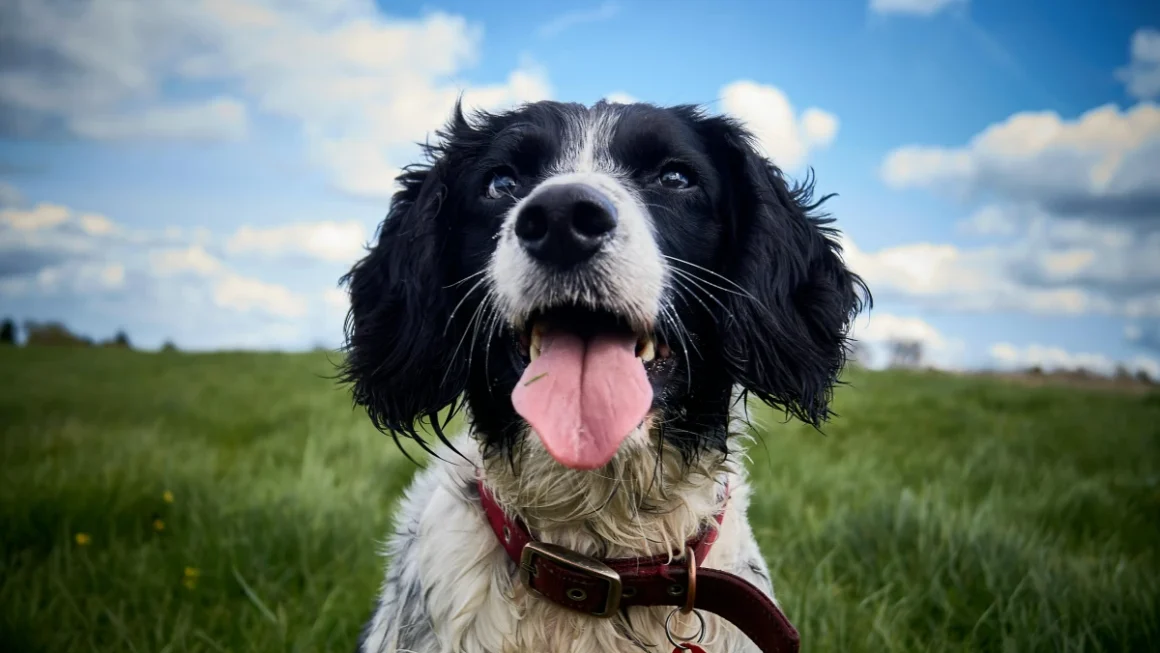
Bringing a new puppy home is exciting, but it also comes with challenges that can feel overwhelming without the right direction. That’s where puppy guidance and behavior support Arizona becomes essential for building a calm, well-adjusted, and confident dog from the very beginning. At Rob’s Dog Training, we focus on helping owners understand their puppy’s behavior, improve communication, and create structured routines that support long-term success.
In this guest post, we’ll explore how early training, consistent reinforcement, and professional support can shape your puppy’s behavior in a positive direction especially in the unique environments and lifestyles found across Arizona.
Why Puppy Guidance and Behavior Support Arizona Matters Early On
The first few months of a puppy’s life are the most critical for learning. During this stage, dogs develop habits that often carry into adulthood. Without proper puppy guidance and behavior support Arizona, small issues like jumping, biting, or excessive barking can quickly become long-term behavior problems.
Arizona pet owners often face unique conditions such as hot climates limiting outdoor time, busy suburban lifestyles, and social environments that vary widely between neighborhoods. These factors make structured guidance even more important.
Early support helps with:
- Building calm behavior in new environments
- Preventing unwanted habits before they become routine
- Teaching social skills with people and other dogs
- Creating predictable daily structure for puppies
- Strengthening trust between owner and dog
At Rob’s Dog Training, we emphasize early intervention because prevention is always easier than correction.
Understanding Puppy Behavior in Real-Life Settings
Puppies don’t misbehave out of spite they respond to confusion, lack of structure, or overstimulation. Understanding this is key to effective puppy guidance and behavior support Arizona programs.
Common puppy behaviors include:
- Nipping and biting during play
- Chewing furniture or household items
- Pulling on the leash during walks
- Whining when left alone
- Accidents inside the home
Each of these behaviors is a form of communication. The goal of training is not punishment, but redirection and clarity.
For example:
- A puppy chewing shoes may need more mental stimulation
- A puppy barking excessively may need structured routine and calm exposure
- A puppy pulling on walks may lack leash training consistency
Once owners understand the “why,” solutions become far more effective.
The Role of Structure in Puppy Development
Structure is one of the most powerful tools in shaping behavior. Puppies thrive when they know what to expect throughout the day.
A structured routine should include:
- Scheduled feeding times
- Consistent potty breaks
- Short training sessions (5–10 minutes)
- Rest and crate time
- Controlled play and social interaction
When applied correctly, structure reduces anxiety and prevents chaos-driven behaviors.
At Rob’s Dog Training, we guide owners through building routines that fit their lifestyle while still maintaining consistency. This balance is what makes puppy guidance and behavior support Arizona effective long-term.
Positive Reinforcement and Modern Training Methods
Modern dog training focuses on communication rather than correction. Positive reinforcement is a core part of effective puppy development and is widely recommended in behavior science and applied animal training practices.
This approach includes:
- Rewarding desired behaviors with treats or praise
- Reinforcing calm behavior in stimulating environments
- Redirecting unwanted behavior instead of punishing it
- Encouraging repetition of good habits
For example, instead of punishing a puppy for jumping, we reward them for sitting calmly when greeting people.
This method builds trust and helps puppies learn faster while maintaining emotional stability.
Common Mistakes New Puppy Owners Make
Even well-meaning owners can unintentionally reinforce bad habits. Recognizing these mistakes early improves training outcomes significantly.
Some of the most common mistakes include:
- Inconsistent rules (allowing jumping sometimes but not always)
- Delaying training until problems appear
- Overusing punishment instead of guidance
- Lack of socialization during early months
- Not providing enough mental stimulation
Correcting these habits early is a major part of puppy guidance and behavior support Arizona programs at Rob’s Dog Training.
Socialization: Building Confidence in Puppies
Socialization is more than just meeting other dogs. It involves exposing puppies to different environments, sounds, people, and experiences in a controlled and positive way.
Proper socialization helps puppies:
- Remain calm in public places
- Adapt to new environments easily
- Reduce fear-based behaviors
- Build confidence around strangers and other animals
In Arizona, where environments can vary from quiet neighborhoods to busy urban areas, structured exposure is especially important.
A well-socialized puppy is less likely to develop anxiety or aggression later in life.
House Training and Crate Training Essentials
House training is one of the first major challenges for puppy owners. Success comes from consistency, timing, and supervision.
Key house training tips include:
- Taking puppies out after meals and naps
- Rewarding outdoor elimination immediately
- Avoiding punishment for accidents
- Keeping a predictable schedule
Crate training also plays a major role in behavior development. When introduced properly, a crate becomes a safe space rather than a form of confinement.
Benefits of crate training include:
- Faster house training progress
- Reduced destructive behavior when unsupervised
- Improved rest and recovery time
- Increased sense of security for the puppy
These foundational skills are central to effective puppy guidance and behavior support Arizona strategies.
Leash Training and Outdoor Behavior Control
Leash training is often where many owners struggle. Puppies naturally pull, stop, or get distracted during walks.
Effective leash training focuses on:
- Teaching loose-leash walking early
- Rewarding calm walking behavior
- Avoiding pulling-based reinforcement
- Practicing in low-distraction environments first
In Arizona’s outdoor settings, distractions such as wildlife, other dogs, and environmental stimuli can make leash control even more important.
With consistent practice, puppies learn that walking calmly leads to rewards and freedom.
When to Seek Professional Training Support
While many puppy behaviors can be managed at home, some situations benefit from professional guidance. Seeking help early prevents small issues from becoming long-term challenges.
Consider professional support if your puppy shows:
- Persistent aggression or fear responses
- Severe separation anxiety
- Ongoing house training difficulties
- Excessive destructive behavior
- Lack of responsiveness to basic commands
At Rob’s Dog Training, we specialize in helping owners navigate these challenges with structured and practical solutions tailored to each puppy’s needs.
Long-Term Benefits of Proper Puppy Guidance
Investing in early training creates long-term benefits that extend far beyond puppyhood. A well-trained dog becomes easier to manage, safer in public, and more enjoyable as a companion.
Long-term benefits include:
- Stronger owner-dog communication
- Reduced behavioral issues in adulthood
- Improved adaptability to new environments
- Better emotional stability
- Increased safety and control in public spaces
These outcomes are the result of consistent puppy guidance and behavior support Arizona programs that focus on real-world application, not just obedience drills.
Building a Better Future for Your Puppy
Raising a well-behaved dog doesn’t happen by accident it comes from intentional effort, clear communication, and structured support. With the right puppy guidance and behavior support Arizona, owners can create a foundation that leads to lifelong positive behavior.
At Rob’s Dog Training, we believe every puppy has the potential to succeed with the right guidance. Our approach focuses on clarity, consistency, and practical real-world training that fits everyday life.
If you’re ready to build a stronger relationship with your puppy and address behavior challenges early, professional guidance can make all the difference.
Learn more here: Rob’s Dog Training
