

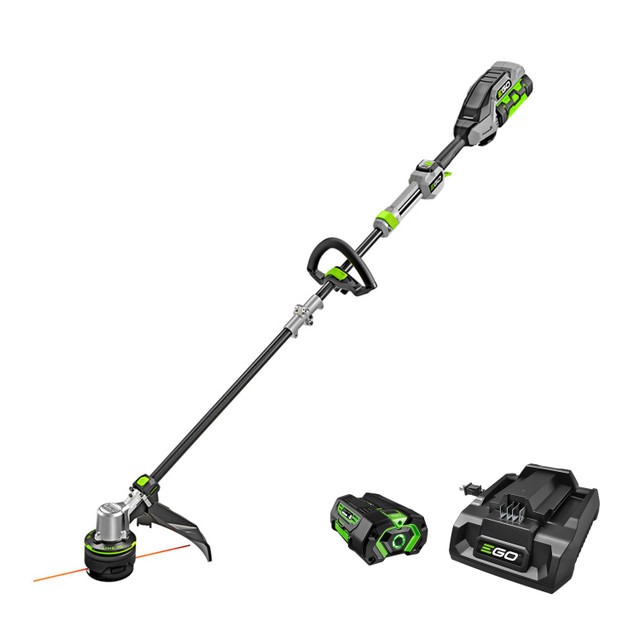
American homeowners have not suddenly stopped caring about power. They have stopped tolerating pull cords, stale fuel, smoke, and Saturday-morning engine drama. The 56V String Trimmer is winning attention because it gives regular yard owners the one thing gas tools used to own: confidence in thick grass. For people watching outdoor tool deals, home improvement product updates now matter as much as mower reviews, because battery platforms are shaping what people buy next. EGO’s appeal is simple. One battery system can run a mower, blower, hedge trimmer, chainsaw, and yard trimmer, so the first purchase pulls the next one closer. Retail listings for popular EGO models also show heavy buyer activity and thousands of reviews, which helps explain why shoppers now compare this machine against gas first, not against weaker cordless tools.
Why the 56V String Trimmer Is Pulling Buyers Away From Gas
The old rule was easy: buy gas if your yard fights back. That rule has aged badly. A thick fenceline in July, a sloped ditch behind a house in Ohio, or crabgrass around a mailbox no longer means you need a two-stroke engine. The battery string trimmer has moved from “fine for light work” to “enough for most homes,” and that shift changes the whole buying mood.
The pain of gas finally caught up with the power promise
Gas models built their reputation on muscle. Fair enough. They earned it. But homeowners never loved the rest of the package. Fuel mixing, carburetor issues, clogged filters, spark plugs, vibration, fumes, and storage smell all become part of the tool, even when the yard is small.
That is where EGO found the soft spot. Many U.S. buyers are not running a landscaping crew. They trim after mowing, clean around a patio, cut along a vinyl fence, and knock down weeds near a driveway. For that routine, the cost of gas ownership feels bigger than the benefit. A cordless weed eater that starts when you press the trigger feels like a small luxury the first time. By the fifth use, it feels normal.
The non-obvious part is that convenience is not separate from performance. A tool that starts every time gets used sooner. Grass does not reach knee height. Fence edges do not turn into a weekend rescue job. The best yard tool is often the one you are willing to grab before the mess becomes work.
Battery power now feels practical, not experimental
EGO’s current 15-inch model uses a brushless motor, a 15-inch cutting swath, and .095-inch professional-grade line. Those are not toy-tool specs. They are the kind of numbers that make sense for a homeowner who needs clean cuts along beds, fences, and sidewalks without switching to a loud engine.
That .095-inch line matters more than casual buyers think. Thin line can slap grass around instead of cutting it clean. It also breaks faster around chain-link fencing, stone borders, and rough bark. With thicker line and a wider path, the tool feels less like a light trimmer and more like a gas trimmer alternative for normal suburban work.
A homeowner in Georgia with a half-acre lot might care less about lab torque and more about whether the tool can handle damp Bermuda grass after work. That is the real test. If the trimmer clears the fence, the mailbox, the ditch lip, and the shed without fuss, the gas model loses its emotional edge.
The EGO System Makes One Tool Feel Like a Smarter Buy
A trimmer is rarely a lone purchase. It sits in a garage next to a mower, blower, edger, hedge tool, and maybe a chainsaw. EGO’s advantage grows because buyers are not only judging one machine. They are judging the battery ecosystem they may live with for years.
Shared batteries make the price easier to accept
The first battery tool often feels expensive because the battery and charger carry so much of the cost. After that, the math changes. Once you own the battery, tool-only purchases become easier to defend. That is why EGO’s platform matters. The company says its 56-volt ARC Lithium batteries work across its outdoor power equipment lineup.
This is where a buyer starts thinking like a garage manager. A homeowner may buy the trimmer kit in spring, add a blower in fall, then replace an aging mower the next year. The same battery family ties those choices together. That does not make every EGO tool the best pick for every yard, but it makes brand switching harder.
The surprise is that battery sharing can beat raw price. A cheaper standalone trimmer may save money today but create clutter tomorrow. Different chargers, different batteries, different failure points. For some households, a cleaner charging shelf is worth more than a small discount.
POWERLOAD fixes the chore people hated most
Line loading has ruined more good moods than people admit. You stop trimming, flip the head, fight tangled line, wind it wrong, reopen it, and lose ten minutes on a job that should have taken twenty. EGO’s POWERLOAD feature attacks that exact frustration by letting users feed line through the head and wind it with a button on equipped models. Retail and official listings highlight this as a core feature, not a small add-on.
That feature matters because string trimming is full of interruptions. You hit concrete. You nick a fence post. You cut near gravel. Line wears down. A tool can have great power and still become annoying if line changes feel like a puzzle.
This also explains why many buyers who once trusted gas now move to a cordless weed eater. They are not only buying cleaner power. They are buying fewer moments where the tool asks them to stop and solve a problem.
For readers comparing yard gear, battery yard equipment buying tips can help sort which tools deserve a kit purchase and which make more sense as bare tools.
The Yard Experience Feels Different Once Noise and Fumes Drop
Gas tools announce themselves. They bark awake, buzz through the block, and leave a smell on your shirt. Some people accept that as the sound of real work. Others have been waiting for an excuse to leave it behind. Battery trimming gives them that excuse without making the job feel weak.
Quiet power changes when people do yard work
A battery string trimmer makes it easier to trim at better times. Early evening after work. A cooler Sunday morning. A quick touch-up before guests arrive. You still need to respect local noise rules and neighbors, but the whole job feels less aggressive.
That matters in dense U.S. neighborhoods. A homeowner in New Jersey or Southern California may have houses close on both sides. A loud gas trimmer turns a simple edge cleanup into a public event. Battery power lowers that social cost.
The EPA has long described small outdoor engines as a meaningful source of air pollution, including lawn mowers, chainsaws, and similar yard machines. That does not mean one homeowner fixes the air by changing one tool. It does mean the move away from gas has a practical reason beyond comfort.
Here is the quieter truth: reduced noise can make people do better yard maintenance. When trimming feels less harsh, you trim more often. More often means less overgrowth. Less overgrowth means the tool has an easier job. The benefit feeds itself.
Less vibration means less fatigue near the finish line
People often judge trimmers by the first five minutes. That is the wrong window. The real opinion forms near the end, when your forearm is tired and you are trying to clean the last strip by the fence.
Battery models do not remove fatigue, but they can soften it. No engine vibration under your hands. No hot motor near your hip. No smell hanging around while you edge the walkway. EGO’s brushless motor design and cordless format help keep the experience cleaner and calmer than a gas unit for routine trimming.
This is where older homeowners, smaller-framed users, and busy parents notice the difference. A tool that feels manageable gets used by more people in the house. Yard work stops being one person’s punishment.
A gas trimmer alternative does not need to beat every commercial gas unit in every wild patch. It needs to make weekly trimming easier for the people who own normal homes. That is the lane EGO keeps driving through.
What Buyers Should Check Before Replacing a Gas Model
The hype around battery yard tools can make every purchase feel obvious. It is not. Some buyers should still think carefully before leaving gas behind. Property size, weed type, runtime, battery cost, and tool weight all matter. The right choice starts with your yard, not the label on the box.
Match the trimmer to your actual property, not your worst day
Most homeowners overbuy for the one awful day of the year. They picture wet weeds after a two-week vacation and buy like they maintain a roadside ditch. Then the tool feels heavy, loud, or more expensive than needed for the other thirty trims of the season.
A better question is simple: what does your yard look like most weeks? If you trim around sidewalks, beds, fence lines, and trees after mowing, an EGO battery setup makes sense. If you cut waist-high brush along acreage every weekend, you may need to compare heavier battery models, brush cutters, or pro-grade gas gear.
EGO’s 16-inch LINE IQ model shows how far the premium side has gone. It uses auto-sensing line feed to maintain a 16-inch cutting swath, so users do not have to bump the head during normal work. That feature can help people who hate stopping, but it also adds cost. Paying more makes sense only when the yard earns it.
Retail popularity can guide you, but it should not decide for you. A model with thousands of reviews may be safe, yet your slope, height, grip strength, storage space, and battery plans matter more.
Runtime anxiety fades when the workflow is honest
Runtime is the fear that keeps some buyers attached to gas. Nobody wants a dead battery with ten minutes of trimming left. Still, this fear often comes from poor planning, not poor tools.
Some EGO kits advertise up to 45 minutes with a 2.5Ah battery, while larger kits can offer longer runtime with bigger packs depending on the model and workload. Thick weeds, high speed, old line, and constant edging will drain power faster. That is normal. Gas tools also burn fuel faster under load; people notice it less because refilling feels familiar.
The smart move is to build a rhythm. Mow first. Trim second. Blow last. Keep one battery cooling or charging while another runs if you own several tools. For a small yard, one pack may do the job. For a larger property, a second battery can matter more than a more powerful trimmer.
For a simple prep list before cutting season, spring lawn tool maintenance steps can help homeowners plan batteries, line, blades, and storage before the first heavy-growth weekend.
Conclusion
Gas trimmers will not vanish from trailers, farms, and rough properties. They still have a place where long runtime, fast refueling, and heavy brush work rule the day. But the center of the homeowner market has moved. People want clean starts, less noise, less upkeep, and enough strength to finish the yard without turning the garage into a repair corner. The 56V String Trimmer fits that shift because it makes battery power feel normal instead of risky. It is not only a tool story. It is a habit story. Once a homeowner gets used to pressing a trigger instead of pulling a cord, the old machine starts to feel older than it is. For most American yards, the future of trimming looks quieter, cleaner, and easier to live with. Check your property size, pick the right kit, and buy the tool that makes you more likely to finish the job.
Frequently Asked Questions
Is an EGO battery trimmer strong enough to replace gas?
Yes, for most residential yards. It handles regular edging, fence lines, sidewalk borders, and common weeds without the fuel and pull-start routine. Gas still makes sense for heavy brush, acreage, or long daily use, but many homeowners no longer need it.
How long does an EGO cordless weed eater battery last?
Runtime depends on battery size, grass thickness, speed setting, and how much edging you do. Some kits advertise up to 45 minutes with a smaller pack, while larger batteries can run longer. Dense weeds and high speed shorten runtime.
What makes POWERLOAD worth paying for?
POWERLOAD saves time when replacing line. You feed the line into the head, press a button, and the tool winds it for you on equipped models. That matters for homeowners who hate spool work or trim around rough edges that wear line quickly.
Is a battery string trimmer better for small yards?
Yes, small yards are where battery models shine. You get easy starts, low maintenance, cleaner storage, and enough power for routine trimming. A compact suburban lot rarely needs the noise, fuel storage, and upkeep that come with gas.
What is the best EGO trimmer for thick weeds?
A higher-end EGO model with a wider cutting swath, thicker line support, and a larger battery is the better pick for thick weeds. The 16-inch LINE IQ models suit buyers who want more cutting speed and fewer stops during harder work.
Can EGO batteries work with other EGO tools?
Yes, EGO’s 56-volt ARC Lithium batteries are designed to work across its outdoor power equipment family. That makes the platform appealing if you plan to add a blower, mower, hedge trimmer, or chainsaw later.
Is a cordless weed eater cheaper than gas over time?
Often, yes. You avoid gasoline, oil mix, spark plugs, carburetor issues, and some seasonal maintenance. The battery cost is higher up front, so the value improves when you use the same battery platform across several yard tools.
Who should still buy a gas trimmer?
A gas model still makes sense for large rural properties, daily commercial work, heavy brush, or jobs where fast refueling matters more than noise and upkeep. For routine home trimming, battery power now covers far more yards than it once did.